If your back, neck, or shoulders are giving you grief, here’s a simple way to start feeling relief this week: get into water that supports your weight instead of fighting against it.
Magnesium pools do this well, and knowing how to use one properly makes a real difference in how much benefit you get. This guide walks you through exactly how buoyancy helps posture-related pain, and how to use a magnesium pool session to get the most out of it.
TLDR: Magnesium pools reduce the load on your joints and spine through buoyancy, taking pressure off the muscles and discs that are usually working overtime to hold you upright. Combined with magnesium absorbed through the skin, this can ease tension, support muscle recovery, and give posture-related pain a genuine break. Getting the timing, temperature and movement right makes a noticeable difference to results.
Why posture pain builds up in the first place
Most posture pain isn’t caused by one dramatic moment. It’s the slow accumulation of sitting at a desk, looking down at a phone, or standing unevenly for hours at a time.
Over months and years, this uneven loading tightens some muscles while weakening others, which pulls your spine out of its natural alignment.
Common areas affected
- Lower back, from prolonged sitting or poor lifting habits
- Neck and upper shoulders, from screen use and phone posture
- Hips, from uneven standing or sitting patterns
- Mid-back, from slouched or rounded shoulder posture
Why it’s hard to shake on land
On land, gravity is constantly pressing down on your joints and spine. Even lying down doesn’t fully switch this off, because your body still has to manage its own weight against a firm surface.
This is where water changes the equation entirely.
How buoyancy actually takes load off your body
When you’re submerged to shoulder height, water supports around 90 percent of your body weight. That means your spine, hips, and knees are carrying a fraction of what they normally do.
This isn’t just about feeling weightless for a moment. It gives compressed discs and tight muscles genuine space to decompress, which is something that’s very hard to achieve through stretching alone.
What buoyancy relief feels like in practice
- Reduced pressure on the lower back and hips
- Looser shoulders and neck within minutes
- Easier, more natural movement through the joints
- A noticeable drop in muscle guarding or tension
Why magnesium adds another layer
Magnesium-treated water is thought to support muscle relaxation when absorbed through the skin, on top of the mechanical relief buoyancy provides. For people carrying chronic tension from posture strain, this combination often feels more effective than a plain warm pool.
A step-by-step approach to using a magnesium pool for posture pain
Getting into a pool and floating around is fine, but a bit of structure gets better results, especially if you’re dealing with ongoing pain rather than general stiffness.
- Start with a few minutes of gentle movement in shallower water to warm up the muscles.
- Move to shoulder-depth water and let your body fully float or support itself minimally.
- Slowly rotate your neck, shoulders, and hips through their natural range while suspended.
- Hold a few gentle stretches, like reaching arms overhead or drawing knees to chest, while the water supports you.
- Finish with a few minutes of still floating to let everything settle before getting out.
How long a session should run
Fifteen to twenty-five minutes is usually enough to get genuine relief without overdoing it. Longer isn’t always better, particularly if your body is still adjusting to regular pool use.
How often to repeat it
Two to three sessions a week tends to work well for people managing ongoing posture pain, giving muscles time to respond without constant strain in between.
Getting the conditions right for the best result
Temperature and water depth both change how much relief you get, so it’s worth paying attention to these rather than treating every pool session the same.
Temperature considerations
- Warmer water helps muscles relax faster and reduces guarding
- Water that’s too cool can cause tensing, which works against you
- Very hot water can be counterproductive if you’re prone to dizziness or low blood pressure
Depth and support
Deeper water gives more buoyancy support, which is helpful for acute pain or very tight muscles. Shallower water still helps but requires a bit more active effort from your body to stay upright.
If you’re new to using water for posture relief, easing in gradually is a sensible way to build confidence before committing to longer sessions.
Who tends to benefit most from this approach?
Not everyone’s posture pain has the same root cause, so it helps to know where buoyancy-based relief tends to work best.
Good candidates
- People with desk-based jobs and chronic upper back or neck tightness
- Those recovering from minor muscle strain rather than acute injury
- Anyone whose pain worsens with prolonged standing or sitting
- People looking for a low-impact way to stay active despite joint pain
When to check with a professional first
If you’ve got a diagnosed spinal condition, a recent injury, or pain that’s sudden and severe, it’s worth speaking with a physiotherapist or doctor before starting regular pool sessions. Buoyancy therapy works well alongside professional treatment, but it isn’t a replacement for it.
Ease Posture Pain With Vikasati
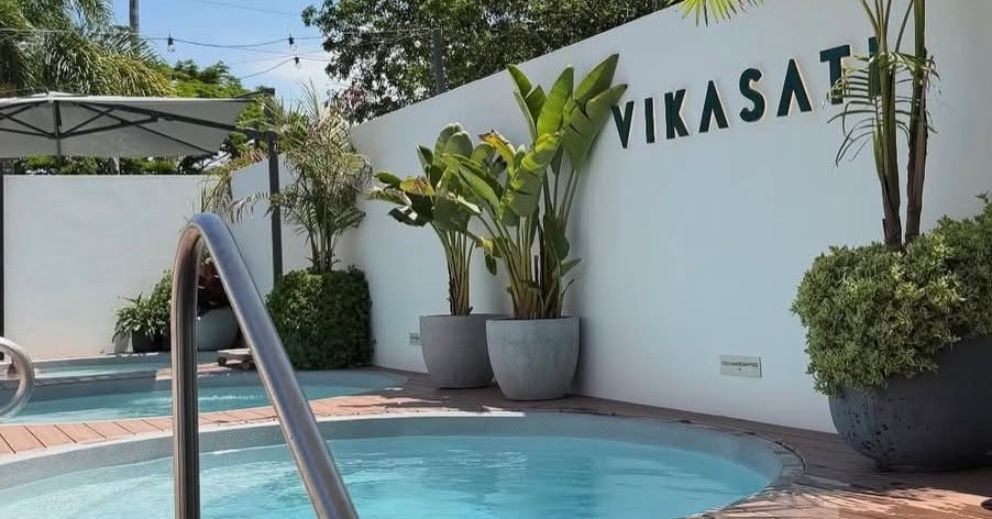
If ongoing posture pain has been wearing you down, gentle movement in a magnesium pool can be a practical place to start. At Vikasati, our bathhouse facilities bring together heat, cold and magnesium therapies to help ease muscle tension, support recovery and leave your body feeling more comfortable.
For just $49, enjoy 90 minutes of access to our premium bathhouse facilities in Brisbane, Toowoomba and the Gold Coast, including:
- Finnish Sauna – Traditional dry heat to relax muscles and support circulation
- Ice Baths – Cold immersion at 5°C to refresh the body and aid recovery
- Infrared Sauna – Gentle, penetrating heat to ease tension and promote relaxation
- Magnesium Pools – Warm and cool pools designed to soothe tired muscles and encourage gentle movement
Whether posture pain is linked to long hours at a desk, physical work or everyday tension, Vikasati offers a calm and supportive space to move, recover and reset. Book your session today and experience how regular bathhouse visits can support the way your body feels day to day.
Key Takeaways
- Buoyancy removes most of the weight-bearing load from your spine and joints, giving compressed areas room to decompress
- Magnesium absorption may add a relaxation benefit on top of the mechanical relief from floating
- Fifteen to twenty-five minute sessions, two to three times a week, is a solid starting point
- Warmer water and adequate depth both improve results
- People with chronic postural tension tend to see the best outcomes, while acute injuries need professional guidance first
FAQ
Is a magnesium pool suitable if I have a herniated disc?
Gentle buoyancy-supported movement can feel good for some disc-related pain, since water reduces compression on the spine. That said, it’s worth getting clearance from your treating practitioner first, since the right approach depends on the specifics of your injury.
How soon can I expect to notice a difference in my posture pain?
Many people feel looser during or immediately after their first session, but lasting change in chronic tension usually takes a few consistent weeks. Think of it as a cumulative habit rather than a one-off fix.
Do I need to swim laps, or is floating enough?
Floating and gentle movement are enough to get the buoyancy benefit. Active swimming has its own value, but for posture pain specifically, slow controlled movement while supported by the water tends to be more useful than laps.
Can I use a magnesium pool if I’m pregnant?
Many people find water-based relief comfortable during pregnancy, since it takes pressure off the lower back and hips. It’s still sensible to check with your midwife or doctor about temperature limits and session length for your stage of pregnancy.
What should I do straight after a session to keep the benefits going?
Gentle stretching once you’re out of the pool helps lock in some of the loosened range of motion. Staying hydrated and avoiding heavy lifting for an hour or two afterwards also helps your body settle into the relief rather than undoing it.