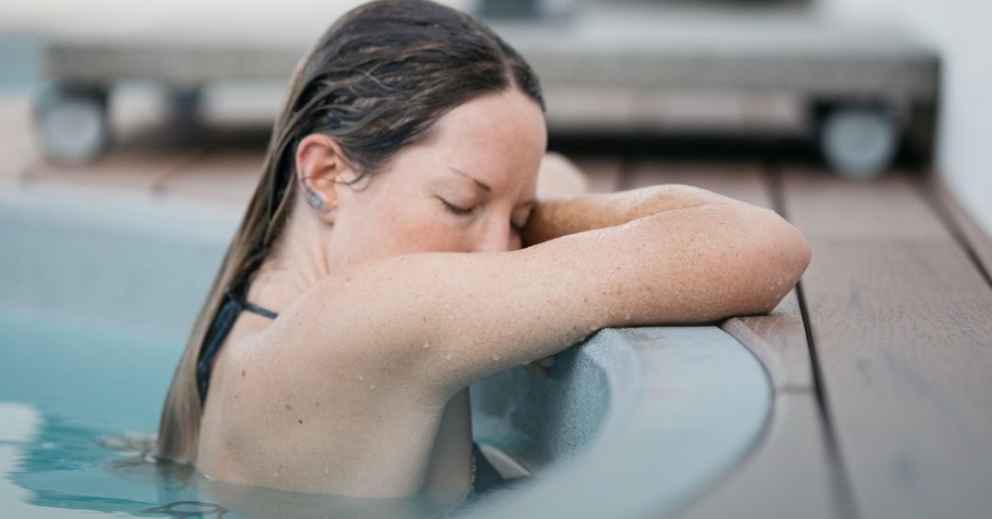
After pushing through an intense workout at your local Brisbane gym, what you do next can make or break your fitness progress. Recovery isn’t just about collapsing on the couch with a protein shake. It’s a strategic process that helps your muscles repair, reduces injury risk, and prepares your body for the next training session.
Whether you’re hitting the weights at a Fortitude Valley fitness centre or running along the Brisbane River, your post-workout routine deserves as much attention as the workout itself. The good news? You don’t need expensive equipment or hours of free time to recover properly.
TLDR: Effective post-gym recovery involves immediate cool-down activities, proper hydration and nutrition within 30 minutes, and ongoing practices like quality sleep and active recovery. A consistent routine tailored to your training schedule will improve performance and reduce muscle soreness.
Why Post-Workout Recovery Matters for Brisbane Athletes
Your muscles don’t actually grow during your workout. They grow during recovery. When you lift weights, run, or complete high-intensity training, you create microscopic tears in your muscle fibres. Recovery is when your body repairs these tears, making the muscle stronger than before.
The Science Behind Muscle Recovery
During exercise, your body depletes glycogen stores, accumulates metabolic waste products, and experiences increased cortisol levels. Recovery helps restore glycogen, clear waste products, and return hormone levels to baseline. Without proper recovery, you’re essentially training on a deficit.
Brisbane’s Climate Considerations
Brisbane’s subtropical climate adds another layer to recovery planning. High humidity and warm temperatures mean you’ll sweat more during workouts, losing essential electrolytes. Your recovery routine needs to account for increased fluid and mineral replacement needs, especially during summer months.
Common Recovery Mistakes
Many Brisbane gym-goers skip the cool-down phase entirely, rushing from their final set straight to the car. Others rely solely on passive recovery, missing opportunities for active recovery that could enhance their results. Some athletes also underestimate the importance of sleep quality in their recovery equation.
Immediate Post-Workout Recovery Steps
The first 30 minutes after your workout represent a critical recovery window. What you do during this period sets the tone for how well your body adapts to the training stimulus you’ve just provided.
Cool-Down and Stretching Protocol
Start with 5–10 minutes of light cardio to gradually lower your heart rate. This could be walking on the treadmill, gentle cycling, or even a slow walk around the gym floor. Follow this with static stretching, holding each stretch for 20–30 seconds to improve flexibility and reduce muscle tension.
Focus on the muscle groups you’ve just trained, but don’t ignore other areas. If you’ve had a heavy leg day, stretch your calves, hamstrings, quads, and hip flexors. Upper body sessions should include chest, shoulder, and back stretches.
Hydration and Electrolyte Replacement
Brisbane’s warm climate means you’ve likely lost significant fluids during your workout. Aim to drink 150% of the fluid you’ve lost through sweat. If you’ve sweated heavily, plain water isn’t enough. Include electrolytes through sports drinks, coconut water, or electrolyte tablets.
A simple hydration check: your urine should be pale yellow within a few hours of your workout. Dark yellow indicates you need more fluids.
The Post-Workout Nutrition Window
Within 30 minutes of finishing your workout, consume a combination of protein and carbohydrates. Aim for 20–30 grams of high-quality protein and 30–60 grams of carbohydrates. This could be a protein shake with banana, Greek yoghurt with berries, or a chicken and rice meal.
The protein provides amino acids for muscle repair, while carbohydrates help replenish glycogen stores and reduce cortisol levels. Don’t stress if you can’t eat immediately, but try not to delay beyond the two-hour mark.
Building Your Weekly Recovery Routine
Recovery isn’t just about what happens immediately after your workout. It’s an ongoing process that should be woven throughout your training week. Your routine needs to complement your workout schedule while fitting into your Brisbane lifestyle.
Active Recovery Days
Active recovery involves low-intensity movement that promotes blood flow without adding training stress. This might include a gentle swim at your local Brisbane pool, a walk through the Botanic Gardens, or a restorative yoga class. The key is keeping intensity low, around 30–40% of your maximum effort.
Schedule active recovery days between your most intense training sessions. If you do heavy strength training on Monday and Wednesday, Tuesday could be an active recovery day with light swimming or walking.
Sleep Optimisation Strategies
Quality sleep is when most of your recovery happens. Growth hormone peaks during deep sleep, and this is when your body does its most significant repair work. Aim for 7–9 hours of quality sleep per night, with consistent sleep and wake times.
Create a sleep-friendly environment by keeping your bedroom cool (important in Brisbane’s climate), dark, and quiet. Avoid screens for at least an hour before bed, and consider blackout curtains to block early morning light.
Stress Management and Recovery
Chronic stress elevates cortisol levels, which can impair recovery and muscle growth. Incorporate stress management techniques like meditation, deep breathing exercises, or gentle yoga into your routine. Even 10 minutes of daily meditation can make a significant difference.
Brisbane offers plenty of natural stress-relief options. Consider outdoor meditation sessions in parks, beach walks along Moreton Bay, or hiking in nearby national parks on rest days.
Recovery Tools and Techniques
While recovery doesn’t require expensive equipment, certain tools and techniques can enhance your routine. The key is finding what works for your body, schedule, and budget.
Foam Rolling and Self-Massage
Foam rolling helps break up adhesions in muscle tissue and improve blood flow. Spend 10–15 minutes after workouts rolling the muscles you’ve trained. Apply moderate pressure and roll slowly, pausing on tender spots for 20–30 seconds.
You don’t need an expensive foam roller to start. Basic models work well for most people. Focus on major muscle groups: calves, IT band, quads, hamstrings, glutes, and back.
Mobility and soft tissue recovery information can be found through AUSactive.
Hot and Cold Therapy
Contrast showers (alternating between hot and cold water) can help reduce inflammation and improve circulation. Start with 3–4 minutes of hot water, followed by 30–60 seconds of cold water. Repeat this cycle 3–4 times, ending with cold water.
If you have access to a sauna or ice bath, these can be powerful recovery tools. However, timing matters. Avoid ice baths immediately after strength training if muscle growth is your primary goal, as they may blunt the adaptation response.
Massage and Professional Recovery Services
Regular massage can improve circulation, reduce muscle tension, and enhance recovery. While professional massage is ideal, self-massage techniques and massage tools can be effective alternatives for regular use.
Brisbane has numerous massage therapists and recovery centres specialising in sports massage and myofascial release. Consider scheduling monthly or bi-weekly sessions, especially during intense training periods.
Nutrition for Enhanced Recovery
Your recovery routine extends to your kitchen. What you eat in the hours and days following your workouts directly impacts how well your body adapts to training stress.
Macronutrient Timing and Recovery
While the immediate post-workout meal is important, your overall daily nutrition matters more for long-term recovery. Ensure you’re eating adequate protein throughout the day, aiming for 1.6–2.2 grams per kilogram of body weight for active individuals.
Distribute protein intake across meals rather than consuming it all at once. Include 20–30 grams of protein at each main meal, with smaller amounts in snacks if needed.
Anti-Inflammatory Foods
Include foods with natural anti-inflammatory properties in your recovery nutrition plan. Fatty fish like salmon and sardines provide omega-3 fatty acids. Berries, leafy greens, and colourful vegetables offer antioxidants that help combat exercise-induced oxidative stress.
Tart cherry juice has shown promise for reducing muscle soreness and improving sleep quality. Consider adding it to your evening routine, especially after particularly challenging workouts.
Hydration Beyond Water
While water is essential, recovery hydration can be enhanced with strategic additions. Green tea provides antioxidants, while milk offers both protein and carbohydrates for recovery. Coconut water naturally contains electrolytes without added sugars found in many sports drinks.
Monitor your hydration status throughout the day, not just immediately after workouts. Brisbane’s climate means you’ll need more fluids than athletes in cooler climates.
Tailoring Recovery to Your Training Schedule
Your recovery routine should complement your training program. A powerlifter’s recovery needs differ from a marathon runner’s, and your routine should reflect your specific goals and training demands.
Recovery for Strength Training
Strength training creates significant muscle damage and nervous system fatigue. Focus on adequate protein intake, quality sleep, and allowing 48–72 hours between training the same muscle groups intensely. Include mobility work to maintain range of motion as you build strength.
Consider periodising your training with planned deload weeks every 4–6 weeks, reducing training volume by 40–50% to allow for deeper recovery and adaptation.
Endurance Training Recovery
Endurance athletes need to focus heavily on glycogen replenishment and managing the cumulative fatigue from high training volumes. Carbohydrate intake becomes more critical, and active recovery sessions help maintain aerobic base while promoting recovery.
Brisbane’s running and cycling community often trains in hot, humid conditions. Pay extra attention to electrolyte replacement and consider adjusting training times to cooler parts of the day during summer months.
High-Intensity Interval Training (HIIT) Recovery
HIIT sessions create both metabolic and mechanical stress. Recovery should address both aspects with adequate carbohydrate and protein intake, plus strategies to manage the high cortisol response from intense training.
Limit HIIT sessions to 2–3 per week maximum, with at least one full rest day between sessions. Include longer warm-ups and cool-downs for HIIT workouts to help your nervous system transition in and out of high-intensity states.
Signs Your Recovery Routine Is Working
Effective recovery shows up in various ways beyond just feeling less sore. Learning to recognise these signs helps you adjust your routine and maintain consistent progress.
Performance Indicators
Good recovery manifests as consistent or improving performance in subsequent workouts. You should be able to maintain training intensity and volume week to week. If your performance is declining despite consistent training, poor recovery is often the culprit.
Track simple metrics like resting heart rate, sleep quality, and subjective energy levels. Many fitness trackers now include recovery metrics that can provide objective feedback on your recovery status.
Physical and Mental Well-being
Proper recovery supports both physical and mental health. You should feel energetic throughout the day, not constantly fatigued. Your mood should be stable, and you should feel motivated for your next workout rather than dreading it.
Pay attention to your appetite and digestion. Poor recovery often manifests as changes in hunger levels or digestive issues. Consistent, healthy appetite is a good sign your body is adapting well to your training load.
When to Adjust Your Recovery Routine
Your recovery needs will change as your fitness improves, your training evolves, or your life circumstances shift. Be prepared to adjust your routine based on training phases, work stress, or seasonal changes in Brisbane’s climate.
Increase recovery focus during high-stress periods, whether from training or life. This might mean adding an extra rest day, prioritising sleep, or including more stress-management techniques in your routine.
Professional Recovery Support in Brisbane
While a solid self-directed recovery routine forms the foundation of your program, sometimes you need professional guidance to optimise your approach. Whether you’re dealing with persistent soreness, training plateaus, or simply want to take your recovery to the next level, expert support can make a significant difference.
At Vikasati, we understand that recovery is highly individual. What works for one person may not work for another, and finding the right combination of techniques, timing, and intensity requires expertise and personalised attention. For just $49, enjoy 90 minutes of access to our premium bathhouse facilities in Brisbane, Towoomba and the Gold Coast, including:
- Finnish Sauna – Traditional dry heat to relax muscles and improve circulation
- Ice Baths – Cold immersion at 5°C to support recovery and build resilience
- Infrared Sauna – Gentle penetrating heat designed to help with relaxation, stress relief, and recovery
- Magnesium Pools – Alternate between warm and cool pools to soothe the body and mind
Ready to optimise your post-gym recovery routine? Book your session at Vikasati today to discover how professional recovery support can enhance your training results.
Key Takeaways
- Recovery is when your body actually adapts to training, making it as important as the workout itself
- The first 30 minutes post-workout are critical for hydration, nutrition, and beginning the recovery process
- Active recovery days with light movement often work better than complete rest for most people
- Quality sleep of 7-9 hours per night is non-negotiable for optimal recovery
- Brisbane’s climate requires extra attention to hydration and electrolyte replacement
- Your recovery routine should evolve with your training program and life circumstances
- Consistent recovery practices lead to better performance and reduced injury risk