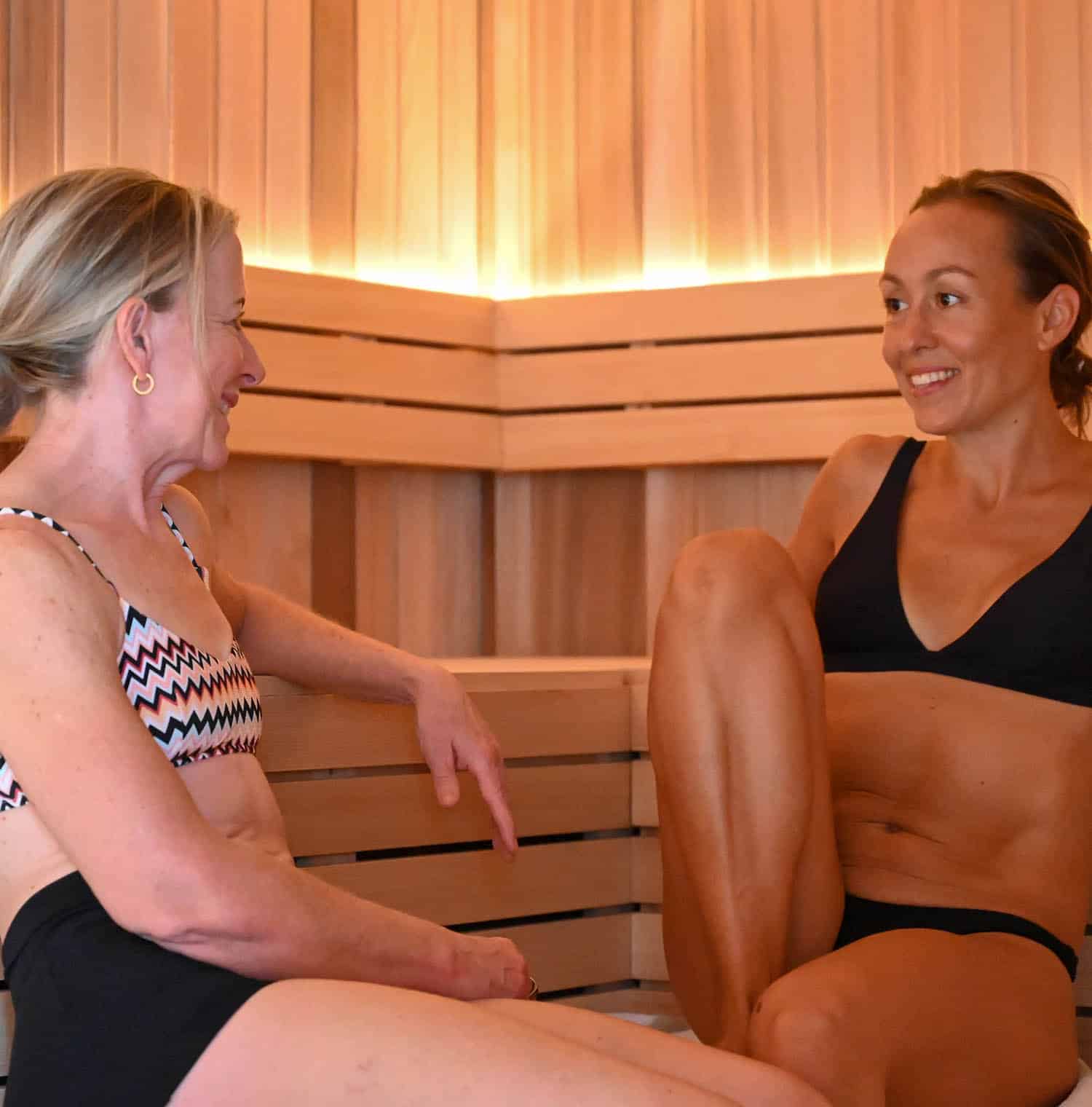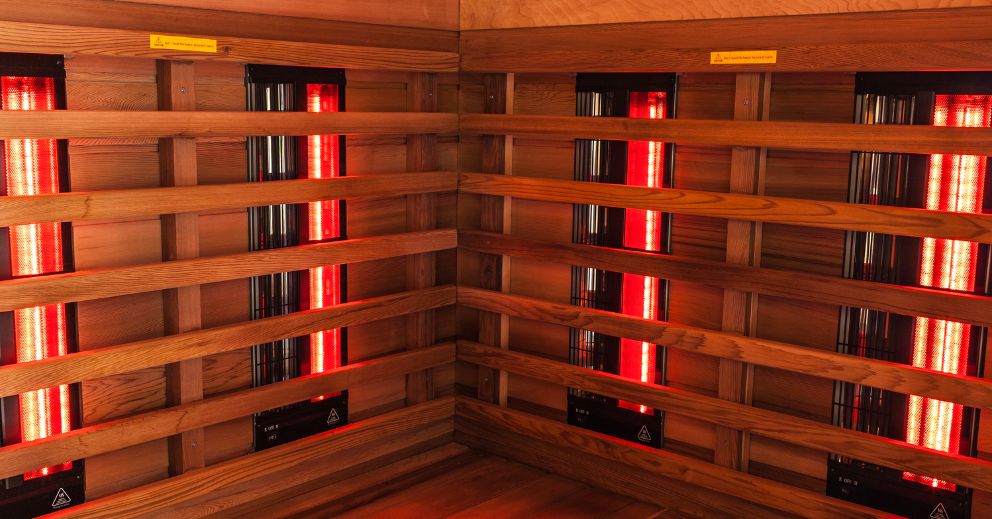
Infrared saunas are popular for a simple reason: they can feel easier to tolerate than a traditional sauna.
The heat is gentler, the air often feels less stifling, and you can still get that deep warmth and relaxation that makes you walk out feeling lighter.
Summary: Infrared saunas typically run at lower temperatures than traditional saunas, often around 45 to 60°C. For older adults, that can mean a more comfortable experience with fewer “too hot, too fast” moments. The best results come from keeping sessions short, staying well hydrated, avoiding risky combinations (like alcohol, dehydration, or certain medications), and checking with your GP if you have heart, blood pressure, kidney, or heat intolerance concerns.
Why infrared saunas can suit older bodies better
Infrared saunas warm you primarily through infrared heat rather than super-heating the air. Practically, that often feels less overwhelming, especially if you’re sensitive to hot, humid environments.
For many older adults, the biggest “comfort wins” are:
- Lower ambient temperature compared to traditional saunas
- A slower, steadier warm-up feeling
- Less “gasping for air” sensation some people get in very hot rooms
Who should be extra careful before using an infrared sauna
Sauna use can be safe for many people, including those with stable heart conditions, but it should be done sensibly. If any of the below applies, it’s worth getting medical advice first:
- Unstable chest pain (angina) or recent serious cardiac events
- Poorly controlled blood pressure
- Very low blood pressure or frequent dizziness on standing
- Kidney issues or a history of dehydration problems
- Conditions linked to heat intolerance (for example, multiple sclerosis)
If you’ve got any doubt, a quick chat with your GP is a smart move, especially if you’re on multiple medications.
Comfort-first best practice: a simple starting routine
If you’re new to infrared sauna, the goal is to finish feeling relaxed and clear-headed, not wrung out.
A safe, beginner-friendly approach for many older adults:
- Start with 5 to 10 minutes
- Build gradually to 10 to 15 minutes, only if you’re tolerating it well
- Aim for 2 to 3 sessions per week rather than doing a huge session once in a while
- Sit on a towel, and consider keeping your feet on a lower bench if you feel light-headed easily
General public guidance often suggests keeping sauna sessions around 15 to 20 minutes. For older adults, shorter and more consistent is usually the better play.
The most important safety factor: hydration
Older adults are more prone to dehydration and dizziness in heat, and that can increase fall risk. Sauna sweating is sneaky, because you can lose more fluid than you realise.
Simple hydration habits that help:
- Drink water before your session
- Bring water with you if the setup allows it
- Rehydrate afterwards (some guidance suggests a solid amount of water post-sauna)
- If you sweat heavily, talk to your GP about whether electrolytes make sense for you, especially if you’re on diuretics
Medications and sauna: what to watch for
This is where older adults need to be especially thoughtful. Some medications can increase dehydration risk, affect blood pressure, or change how your body handles heat.
Be cautious and seek advice if you take:
- Blood pressure medications (heat can lower blood pressure and contribute to dizziness)
- Diuretics (fluid loss plus sauna sweating can be a rough combo)
- Medications that make you drowsy or affect sweating and heat tolerance
Practical tip: if you ever stand up after sauna and feel woozy, that’s a sign to shorten sessions and prioritise hydration. Also, move slowly. No rushing.
Cooling down properly (and avoiding the big mistake)
Cooling down is part of the ritual, but it should be gradual, especially if you’ve got cardiovascular concerns. Rapid hot-to-cold shocks can be a lot on the system.
A steady cooldown looks like:
- Step out, sit for a minute, breathe normally
- Lukewarm or comfortably cool shower
- Dry off, warm clothes, and take your time before driving or heading back to work
Common warning signs to stop immediately
End the session if you notice:
- Dizziness, nausea, or feeling faint
- Chest discomfort
- A racing heartbeat that feels unusual
- Confusion, severe headache, or “not right” feeling
If symptoms are severe or don’t settle quickly, seek medical help.
Making infrared sauna a habit that supports healthy ageing
For older adults, the best sauna routine is the one that’s:
- Comfortable enough to repeat
- Short enough to stay safe
- Consistent enough to create real benefits over time
Sauna can be a wonderful addition to a healthy lifestyle, but it works best alongside the basics: daily movement, strength work (even gentle), good sleep, and supportive community.
Want a calm, comfortable sauna experience at Vikasati?
At Vikasati, we’ve created a space where infrared sauna becomes a calm, comfortable wellness experience. Whether you’re recovering after a workout, clearing your head, or simply giving yourself time to reset, our facilities are designed to make the process effortless, effective, and deeply restorative, without feeling rushed or overwhelming.
For just $49, enjoy 90 minutes of access to our premium bathhouse facilities in Brisbane and the Gold Coast, including:
- Finnish Sauna – Traditional dry heat in a steady, relaxing environment to loosen muscles and support circulation
- Ice Baths – Cold immersion at 5°C to boost resilience and aid recovery
- Infrared Sauna – Gentle penetrating heat for detox, stress relief, and clarity
- Magnesium Pools – Alternate between warm and cool pools to soothe the body and mind
Whether it’s your first time or part of your regular wellness routine, our team is here to guide you every step of the way so you can settle in and enjoy a smooth, comfortable session.
Book your session today and experience why Vikasati is Brisbane and the Gold Coast’s top destination for contrast therapy and holistic recovery.
Key takeaways
- Infrared saunas often run at lower temperatures (commonly around 45 to 60°C), which many older adults find more comfortable.
- Start with short sessions (5 to 10 minutes) and build slowly, aiming for consistency rather than intensity.
- Hydration matters more with age, and heat can increase dizziness and fall risk.
- Be cautious if you have heart or blood pressure issues, heat intolerance, or you’re on medications that affect hydration and blood pressure.
- Cool down gradually and stop if you feel unwell.
FAQ
Do infrared saunas suit older adults better than traditional saunas?
Often, yes. Infrared saunas usually run at lower temperatures (around 45 to 60°C), so the heat can feel gentler and less overwhelming while still providing deep warmth and relaxation.
What’s a safe starting routine for older adults new to infrared sauna?
Start with 5 to 10 minutes and build up to 10 to 15 minutes only if you tolerate it well. Aim for 2 to 3 sessions per week rather than long sessions, and focus on finishing feeling calm and clear-headed.
Who should check with their GP before using an infrared sauna?
It’s smart to get advice first if you have heart concerns, poorly controlled blood pressure, frequent dizziness, kidney issues, a history of dehydration, or conditions linked to heat intolerance. If you’re on multiple medications, a quick check-in is also a good idea.
What are the key safety tips and warning signs to watch for?
Hydrate before and after, stand up slowly, and cool down gradually. Stop immediately if you feel dizzy, faint, nauseous, have chest discomfort, an unusual racing heartbeat, confusion, or a severe headache.