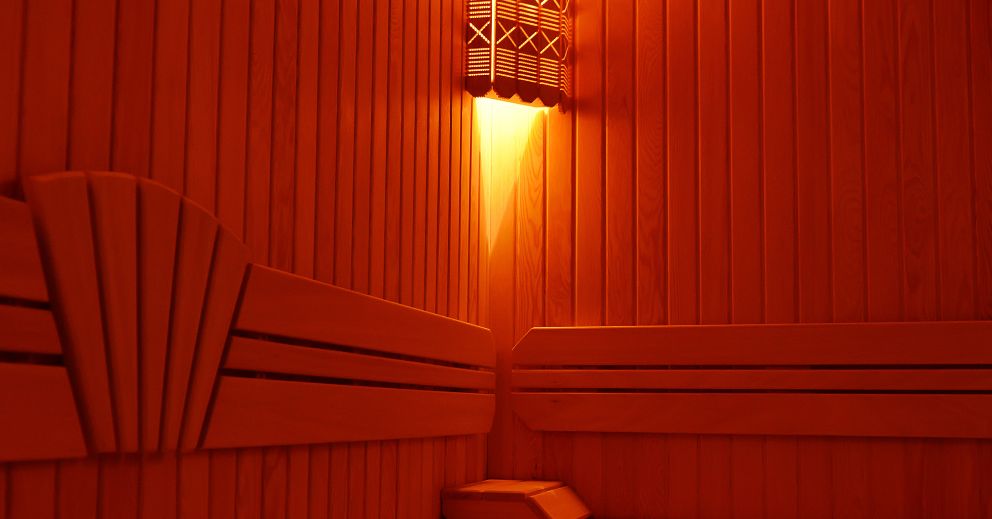
When most people think of sauna, they think of sweat. But underneath the surface, something more subtle is happening. Heat changes the way blood moves through the body.
Infrared sauna offers a different kind of warmth. Instead of simply heating the air around you, it uses infrared light to gently warm the body from within. The result is a deeper, more gradual heat experience that may support circulation in a unique way.
Summary: Infrared sauna uses deep-penetrating heat to warm the body from within, encouraging blood vessel dilation and improved circulation. This gentle rise in core temperature may support cardiovascular function, muscle recovery and overall wellbeing. When practised mindfully and consistently, infrared sauna can become part of a balanced recovery routine.
How Infrared Sauna Works
Traditional saunas heat the air, which then heats your body. Infrared saunas use infrared light waves to directly warm tissues beneath the skin’s surface.
This deeper heat exposure can:
- Increase core temperature gradually
- Encourage vasodilation, which is the widening of blood vessels
- Stimulate sweat response at lower ambient temperatures
- Activate the parasympathetic nervous system
Because the air temperature is generally lower than a traditional sauna, some people find infrared sessions more comfortable and easier to tolerate.
The Link Between Heat and Circulation
When your body heats up, your blood vessels expand. This process, known as vasodilation, allows more blood to flow closer to the skin to help regulate temperature.
Improved circulation may support:
- Oxygen delivery to muscles
- Removal of metabolic waste
- Reduced muscle stiffness
- Cardiovascular conditioning
Your heart rate may also increase during a session, similar to light cardiovascular exercise. Over time, this repeated adaptation may support vascular flexibility.
Deep Heat and Muscle Recovery
Tight or fatigued muscles often benefit from increased blood flow.
Infrared heat may:
- Ease muscle tension
- Reduce post-exercise soreness
- Improve flexibility
- Support joint mobility
For people who experience stiffness from long periods of sitting or high stress, deep warmth can help soften the body and encourage easier movement.
Circulation and Nervous System Balance
Circulation isn’t only physical. It’s also connected to your stress response.
When you sit in consistent, controlled heat:
- Breathing naturally slows
- Muscles relax
- Stress hormones may decrease
- The body shifts toward recovery mode
This shift supports healthy blood flow patterns and overall nervous system regulation.
At Vikasati, sauna is part of a broader practice. Moving between heat and cold, resting between rounds and engaging with community all contribute to balance.
How Long Should You Stay in an Infrared Sauna?
For beginners:
- Start with 15 to 20 minutes
- Hydrate before and after
- Sit upright and breathe slowly
- Step out if you feel dizzy
More experienced users may extend sessions to 30 or 40 minutes, depending on comfort and individual tolerance. Consistency matters more than duration.
Who Should Use Caution?
Infrared sauna is generally well tolerated, but you should seek medical advice if you:
- Have cardiovascular conditions
- Have uncontrolled blood pressure
- Are pregnant
- Are sensitive to heat
Listening to your body is essential.
Return to Balance Through Heat and Community
At Vikasati, sauna is more than warmth. It’s part of a shared practice of contrast and connection. A place to move, pause and let your body recalibrate in a world that rarely slows down.
We’ve created a space where sauna and ice bath therapies come together in one powerful wellness experience. Whether you’re recovering after a workout, clearing your head, or simply taking time to reset, everything is designed to feel effortless, effective, and deeply restorative.
For just $49, enjoy 90 minutes of access to our premium bathhouse facilities in Brisbane, Toowoomba and the Gold Coast, including:
- Finnish Sauna – Traditional dry heat to relax muscles and improve circulation
- Ice Baths – Cold immersion at 5°C to build resilience and support recovery
- Infrared Sauna – Gentle heat for stress relief, clarity, and detox support
- Magnesium Pools – Warm and cool pools to calm the body and mind
Whether it’s your first visit or part of your regular routine, our team is here to support you through the experience. Book your session now.
Key Takeaways
- Infrared sauna warms the body from within using light-based heat
- Heat exposure encourages vasodilation and increased blood flow
- Improved circulation may support muscle recovery and cardiovascular function
- Sessions should be gradual and well hydrated
- Consistent, mindful practice supports long-term wellbeing
FAQ
Does infrared sauna improve circulation immediately?
Blood flow increases during heat exposure due to vasodilation. Long-term cardiovascular benefits depend on consistent practice and overall health.
Is infrared sauna better than traditional sauna?
They offer different experiences. Infrared provides deeper tissue warmth at lower air temperatures, while traditional saunas offer higher ambient heat.
How often should I use infrared sauna?
Two to three sessions per week is common for general wellbeing, depending on your tolerance and goals.
Should I combine sauna with cold exposure?
Alternating heat and cold can further stimulate circulation and nervous system resilience, but beginners should progress gradually.