If you’ve been curious about contrast therapy but don’t know where to start, you’re not alone. Moving between hot and cold can feel intense at first. But when approached gradually, it becomes less about endurance and more about awareness.
Contrast therapy isn’t about pushing yourself to extremes. It’s about teaching your nervous system to adapt. To move between activation and calm. To build resilience without forcing it.
Summary: Contrast therapy involves alternating between hot and cold exposure to stimulate circulation, support recovery and strengthen nervous system resilience. For beginners, gradual progression is key. A structured four-week plan helps your body adapt safely, building confidence and comfort with both heat and cold.
What Is Contrast Therapy?
Contrast therapy involves alternating between:
- Heat, such as a sauna or hot bath
- Cold, such as a cold plunge or ice bath
The heat encourages blood vessels to dilate and muscles to relax. The cold causes blood vessels to constrict and stimulates alertness. Moving between the two creates a pumping effect in the circulatory system and challenges the nervous system in a controlled way.
Benefits may include:
- Improved circulation
- Reduced muscle soreness
- Faster recovery
- Mental clarity
- Stress resilience
But for beginners, the key is pacing.
Before You Start
If you’re new to heat and cold exposure:
- Eat lightly beforehand
- Stay hydrated
- Avoid alcohol
- Move slowly between temperatures
- Listen to your body
Discomfort is normal. Dizziness or sharp pain is not. If you feel unwell, step out and rest.
A Simple 4-Week Contrast Therapy Progression Plan
This plan assumes access to a sauna and cold plunge.
Week 1: Gentle Introduction
Goal: Familiarity and comfort.
- 5 to 8 minutes in sauna
- 30 seconds in cold plunge
- Repeat for 2 rounds
- Finish on heat
Focus on slow breathing during cold exposure. Don’t rush it. The aim is adaptation, not duration.
Sessions: 1 to 2 times per week.
Week 2: Building Tolerance
Goal: Increase cold exposure slightly.
- 8 to 10 minutes in sauna
- 45 to 60 seconds in cold plunge
- Repeat for 2 to 3 rounds
- Finish on cold if comfortable
Start noticing how your body responds between rounds. Recovery between hot and cold becomes smoother this week.
Sessions: 2 times per week.
Week 3: Developing Rhythm
Goal: Strengthen nervous system resilience.
- 10 to 12 minutes in sauna
- 1 to 2 minutes in cold plunge
- 3 rounds
- Finish based on how you want to feel, heat for relaxation or cold for alertness
Breath control becomes more important here. Try steady nasal breathing in the cold.
Sessions: 2 to 3 times per week.
Week 4: Controlled Intensity
Goal: Confidence and control.
- 12 to 15 minutes in sauna
- 2 to 3 minutes in cold plunge
- 3 rounds
- Finish with intention
At this stage, the shock response should be reduced. You’ll likely notice improved calm during cold exposure.
Sessions: Up to 3 times per week.
What You Should Notice Over Time
By week four, many beginners report:
- Less initial shock in the cold
- Faster heart rate recovery
- Deeper post-session relaxation
- Improved sleep
- Greater mental clarity
The real benefit isn’t just physical. It’s learning to stay steady during controlled stress.
Common Beginner Mistakes
- Staying in too long too soon
- Competing with others
- Holding your breath in the cold
- Skipping hydration
- Forcing sessions when exhausted
Contrast therapy is not a competition. It’s a practice.
Experience Contrast as It Was Meant to Be Practised
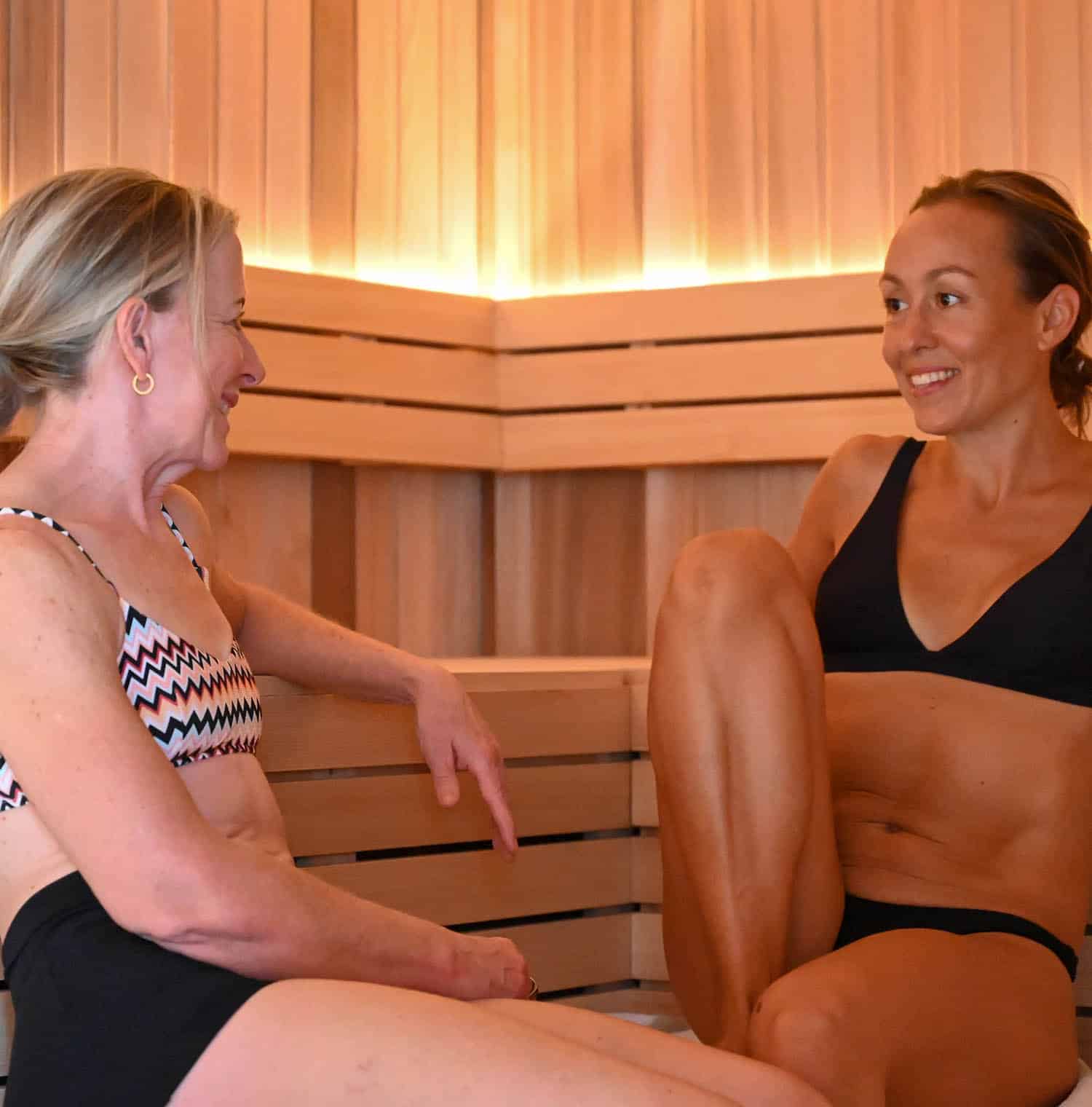
At Vikasati, contrast bathing is more than a routine. It is a shared practice of heat, cold and community. A space to move, pause and return to balance in a world that rarely slows down.
We’ve created a bathhouse experience where sauna and ice bath therapies come together in one powerful, restorative setting. Whether you are recovering after a workout, clearing your head, or simply giving yourself time to reset, every element has been designed to make the process feel effortless, effective and deeply grounding.
For $49, enjoy 90 minutes of access to our premium bathhouse facilities in Brisbane, Toowoomba and the Gold Coast, including:
- Finnish Sauna – Traditional dry heat to relax muscles and support circulation
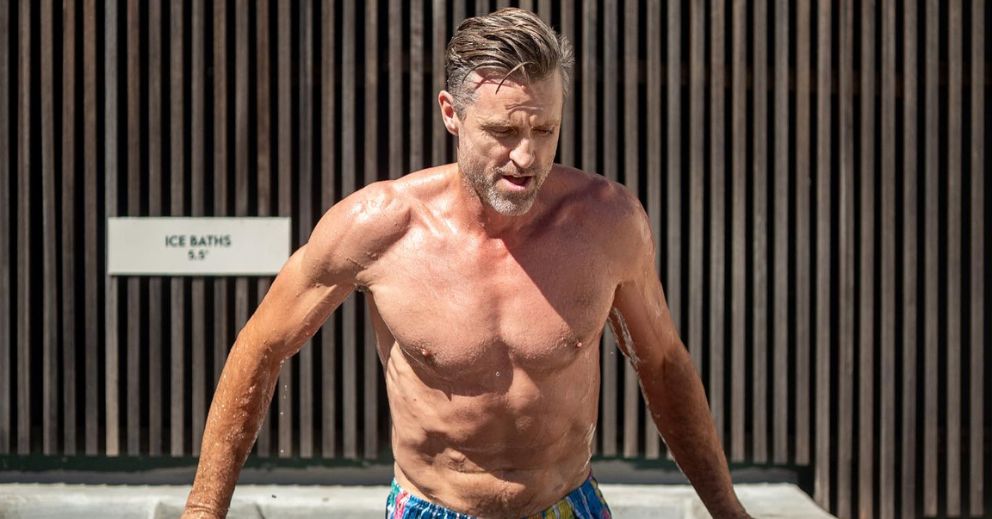
• Ice Baths – Cold immersion at 5°C to help improve resilience and recovery
• Infrared Sauna – Gentle heat to ease tension and support mental clarity
• Magnesium Pools – Warm and cool pools designed to calm the body and mind
Whether it is your first session or part of your regular wellness routine, Vikasati offers a setting designed for restoration, connection and balance. Visit Vikasati to learn more and book your session.
Key Takeaways
- Contrast therapy alternates heat and cold to build resilience
- Beginners should follow gradual exposure
- Breath control improves cold tolerance
- Consistency matters more than intensity
- The practice supports both recovery and mental clarity
FAQ
How cold should the plunge be?
Cold plunges are typically between 8 to 15 degrees Celsius. Beginners may prefer the higher end initially.
How hot should the sauna be?
Most traditional saunas range from 70 to 90 degrees Celsius. Comfort and hydration matter more than exact numbers.
Is contrast therapy safe for everyone?
People with cardiovascular conditions, uncontrolled high blood pressure or certain medical concerns should consult a healthcare professional before starting.
Should I finish on hot or cold?
Finish on heat if you want relaxation. Finish on cold if you want alertness and energy.