Cold exposure has gained attention as a powerful tool for recovery, resilience, and mental clarity. Ice baths, cold plunges, and cold showers are now common in wellness spaces and bathhouses around the world.
But if you live with anxiety, the idea of stepping into freezing water can sound more stressful than helpful.
The truth is, cold exposure can support the nervous system when it’s used correctly. When approached gently and with the right mindset, it can actually help regulate stress responses rather than intensify them.
Understanding how cold exposure affects the body is the key to using it in a way that supports calm rather than triggering overwhelm.
Summary: Cold exposure can support nervous system regulation and reduce anxiety when approached gradually and safely. While sudden cold immersion can feel intense, controlled exposure combined with steady breathing helps the body build resilience to stress. Short sessions, gentle entry into the water, and listening to your body are essential for avoiding overwhelm. When practiced in a calm environment like a bathhouse, cold exposure becomes less about endurance and more about reconnecting with the body’s natural ability to adapt and recover.
How Cold Exposure Affects the Nervous System
When your body enters cold water, it activates what’s known as the cold shock response. Heart rate increases, breathing becomes faster, and the nervous system becomes alert.
For someone with anxiety, that initial response can feel similar to a stress spike.
However, once the body adapts to the temperature, something interesting happens. The nervous system begins to stabilise. Breathing slows down and the body learns it can remain calm even in a challenging environment.
Over time, this process may help improve how the body handles everyday stress.
Cold exposure becomes less about enduring discomfort and more about training the nervous system to stay steady when conditions change.
Why Cold Exposure Can Help With Anxiety
When used mindfully, cold exposure can support mental wellbeing in several ways.
It builds stress resilience
Experiencing a controlled stressor like cold water teaches the body that it can move through discomfort safely. This can improve the nervous system’s ability to regulate itself.
It encourages slow breathing
The first instinct in cold water is to gasp or breathe quickly. Learning to slow your breath helps shift the body out of fight-or-flight mode and into a calmer state.
It creates a mental reset
Cold immersion often produces a feeling of alertness and clarity afterwards. Many people describe it as a “reset” for the mind.
It encourages presence
Cold water pulls attention into the present moment. Instead of worrying about the future or replaying the past, your focus moves to breathing and staying calm.
Why Going Too Hard Can Backfire
One of the biggest mistakes beginners make is jumping into cold exposure too aggressively.
If the experience feels overwhelming, the nervous system may interpret it as a threat rather than a controlled challenge. This can reinforce anxiety instead of reducing it.
Signs the exposure may be too intense include:
- Rapid or panicked breathing
- Feeling dizzy or disoriented
- Extreme muscle tension
- A strong urge to escape immediately
Cold exposure should feel challenging but manageable. The goal is controlled adaptation, not endurance.
How to Use Cold Exposure Safely if You Have Anxiety
A few simple adjustments can make a big difference.
Start with short exposure
Even 30 seconds to one minute can be enough at the beginning. There’s no benefit in forcing longer sessions too early.
Focus on slow breathing
Try inhaling through your nose and exhaling slowly through the mouth. This signals safety to the nervous system.
Enter the water gradually
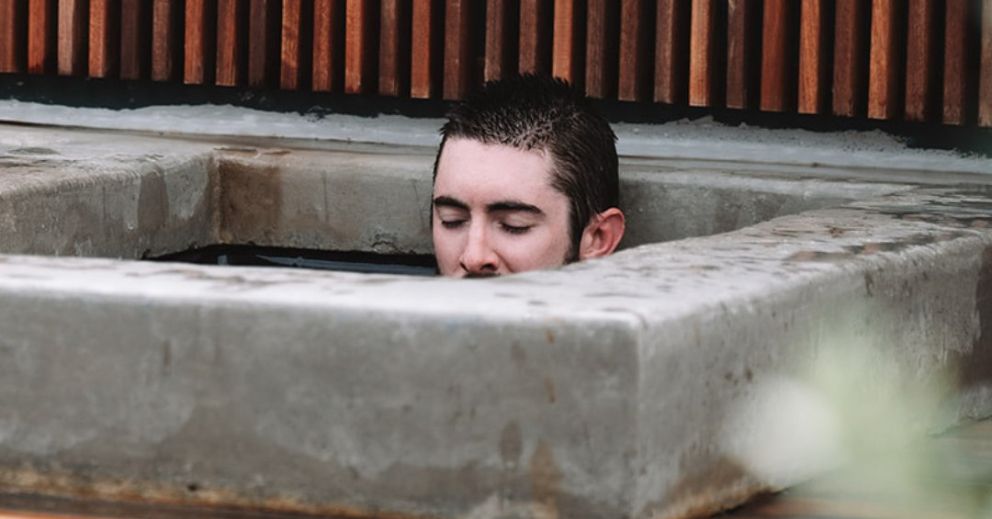
Stepping in slowly rather than jumping in helps the body adjust without triggering an extreme shock response.
Pair cold with warmth
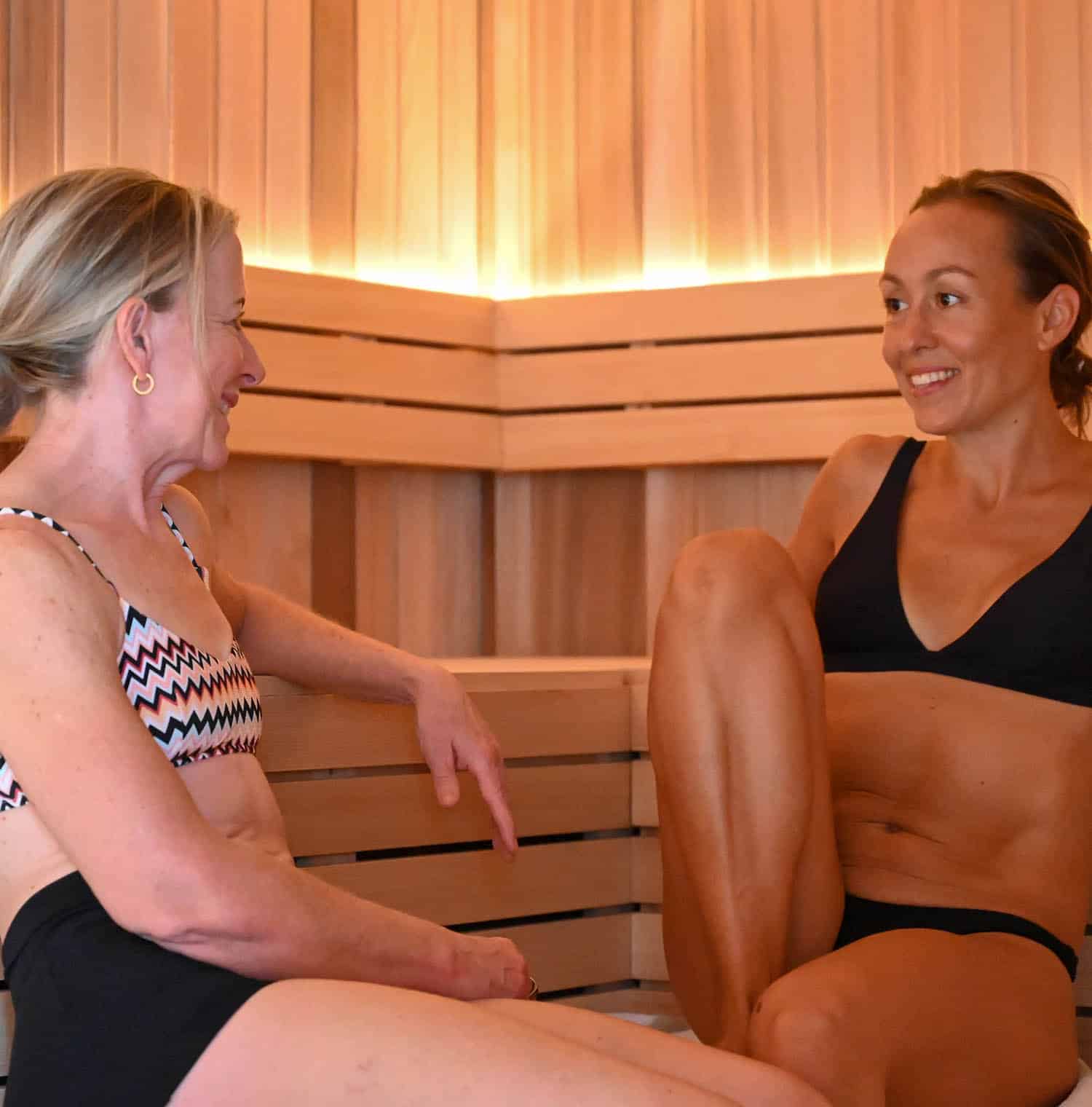
Many people find it helpful to alternate between heat and cold. Warm environments help the body relax before or after a plunge.
Stop if your body feels overwhelmed
Cold exposure should feel controlled. If anxiety spikes significantly, step out and warm up.
Why Environment Matters
Where you practise cold exposure can make a big difference.
Doing it alone in a stressful environment can make the experience feel more intense. In contrast, a calm setting designed for recovery allows the nervous system to settle more easily.
Bathhouse environments bring together heat, cold, rest, and quiet spaces in a way that encourages balance rather than pushing the body too far.
Modern life often replaces movement with convenience and silence with constant noise. Contrast practices like heat and cold give the body a chance to reconnect with its natural rhythms. Within a shared bathhouse setting, the focus shifts from pushing limits to simply pausing, moving, and allowing the body to recover.
Experience Cold and Heat in a Space Designed for Balance
Cold exposure becomes far more powerful when it is part of a broader recovery practice. At Vikasati, we have created a bathhouse where sauna and ice bath therapies come together in one powerful wellness experience, built around contrast, community, and calm.
Warmth, cold water, quiet spaces, and movement work together to help the body slow down, reset, and recover more effectively. Whether you are recovering after a workout, clearing your head, or simply giving yourself time to pause, our facilities are designed to make the process effortless, effective, and deeply restorative.
For just $49, enjoy 90 minutes of access to our premium bathhouse facilities in Brisbane and the Gold Coast, including:
- Finnish Sauna – Traditional dry heat to relax muscles and improve circulation
- Ice Baths – Cold immersion at 5°C to boost resilience and aid recovery
- Infrared Sauna – Gentle penetrating heat for detox, stress relief, and clarity
- Magnesium Pools – Alternate between warm and cool pools to soothe the body and mind
Whether it is your first time or part of your regular wellness routine, our team is here to guide you every step of the way.
Key Takeaways
- Cold exposure can help regulate the nervous system when approached gradually
- Slow breathing is essential for preventing the stress response from escalating
- Short, controlled sessions are more effective than pushing through intense discomfort
- Pairing heat and cold can make the experience easier and more restorative
- Calm environments designed for recovery support safer, more effective cold exposure
FAQs
Can cold exposure make anxiety worse?
It can if it’s too intense or rushed. Gradual exposure with controlled breathing usually prevents the nervous system from becoming overwhelmed.
How long should a cold plunge last for beginners?
Beginners often start with 30 seconds to two minutes depending on comfort. Over time, the body may adapt to slightly longer sessions.
Is cold exposure safe for everyone?
Not always. People with cardiovascular conditions, certain medical conditions, or cold sensitivity should check with a healthcare professional before trying cold immersion.
Should you combine cold exposure with breathing exercises?
Yes. Slow breathing is one of the most effective ways to regulate the body during cold exposure. It helps calm the stress response.
Is cold exposure better alone or after a sauna?
Many people prefer using cold immersion after heat exposure like a sauna. The contrast can support circulation and recovery while making the cold easier to tolerate.