Ice baths have become increasingly popular among fitness enthusiasts and strength training athletes across Australia. From professional rugby players to weekend warriors hitting the gym, cold water immersion is being touted as the ultimate recovery tool. But does plunging into freezing water actually help your strength training goals, or could it be sabotaging your progress?
The relationship between cold therapy and muscle building isn’t as straightforward as many believe. While ice baths can offer genuine benefits for recovery and performance, timing and application matter enormously. Understanding when to use cold water therapy and when to skip it could be the difference between maximising your training gains and accidentally limiting them.
TLDR: Ice baths can enhance recovery and reduce inflammation after intense training sessions, but they may interfere with muscle protein synthesis if used immediately after strength workouts. Strategic timing is crucial for getting the benefits without compromising your gains.
The Science Behind Cold Water Immersion
How Ice Baths Affect Your Body
When you immerse yourself in cold water, typically between 10-15°C, your body undergoes several immediate physiological changes. Blood vessels constrict, reducing blood flow to muscles and limiting the inflammatory response that naturally occurs after exercise.
This vasoconstriction helps reduce swelling and can provide significant pain relief. Your nervous system also responds by releasing norepinephrine, a hormone that can improve mood and alertness while potentially boosting fat burning.
The Inflammation Response Dilemma
Here’s where things get complicated for strength training. The inflammatory response that ice baths suppress isn’t entirely bad. This natural inflammation is actually part of how your muscles adapt and grow stronger after resistance training.
When you lift weights, you create microscopic damage in muscle fibres. The inflammatory response that follows is crucial for muscle protein synthesis and the adaptation process that makes you stronger. Suppressing this response too aggressively might interfere with your training adaptations.
Temperature Regulation and Performance
Cold water immersion also affects your core body temperature and can influence subsequent training sessions. Some athletes report feeling more alert and energised after ice baths, while others find they need longer warm-up periods before their next workout.
The psychological effects can’t be ignored either. Many athletes develop a strong mental association between ice baths and recovery, which can contribute to improved performance through increased confidence and perceived recovery.
When Ice Baths Can Benefit Strength Training
Post-Competition Recovery
Ice baths shine when you need rapid recovery between competitions or high-intensity training sessions. If you’re competing in powerlifting meets, strongman competitions, or have back-to-back training days, cold water immersion can help you bounce back faster.
The anti-inflammatory effects become beneficial when you need to reduce soreness and fatigue quickly, even if it means potentially compromising some adaptation from that specific session.
Managing Training Volume
During high-volume training phases, ice baths can help you maintain training quality across multiple sessions. When you’re training six days a week or doing multiple sessions per day, the recovery benefits often outweigh the potential interference with muscle protein synthesis.
This is particularly relevant for athletes preparing for competitions or during intensive training camps where maintaining performance across many sessions is more important than maximising adaptation from each workout.
Injury Prevention and Management
Cold therapy can be valuable for managing minor injuries or preventing overuse issues. If you’re dealing with joint inflammation or muscle strains, ice baths might help you continue training while managing symptoms.
The numbing effect can provide temporary pain relief, allowing you to maintain movement patterns and training consistency while your body heals.
When Ice Baths Might Hold You Back
Immediately After Strength Sessions
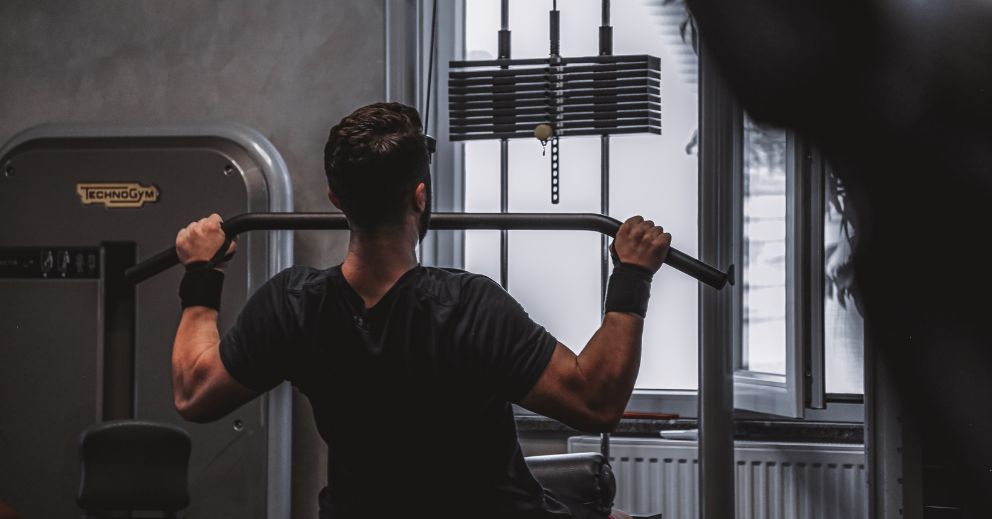
Research suggests that using ice baths immediately after strength training sessions might blunt the muscle-building response. The inflammatory cascade that ice baths suppress is actually necessary for optimal muscle protein synthesis and strength adaptations.
Studies have shown that athletes who used cold water immersion regularly after strength training had smaller gains in muscle mass and strength compared to those who used passive recovery methods.
During Muscle Building Phases
If your primary goal is building muscle mass or strength, ice baths might not be your best friend. The hypertrophy process relies heavily on the inflammatory response and increased blood flow that follows resistance training.
During dedicated muscle-building phases, you might be better off using other recovery methods like light movement, stretching, or massage that don’t interfere with the adaptation process.
For Novice Trainees
Beginners to strength training are still learning to manage basic recovery through sleep, nutrition, and training load management. Adding ice baths might be unnecessary and could potentially interfere with their natural adaptation to exercise stress.
New trainees often benefit more from focusing on fundamental recovery strategies before introducing more advanced interventions like cold therapy.
Optimal Timing and Application Strategies
The 6-Hour Rule
Many sports scientists now recommend waiting at least 6 hours after strength training before using ice baths. This allows the initial inflammatory response and muscle protein synthesis to begin before introducing cold therapy.
This timing strategy lets you get the strength-building benefits of your workout while still accessing the recovery benefits of cold water immersion later in the day.
Training Periodisation Approach
Consider using ice baths strategically based on your training phase. During strength and hypertrophy blocks, minimise their use or avoid them entirely. During deload weeks, competition preparation, or high-volume phases, increase their frequency.
This periodised approach ensures you’re using cold therapy when it provides the most benefit while avoiding interference during crucial adaptation periods.
Individual Response Monitoring
Pay attention to how your body responds to ice baths. Track your strength progress, recovery markers, and training quality when using cold therapy versus when you don’t.
Some individuals may be more sensitive to the anti-inflammatory effects, while others might benefit more from the psychological and pain-relief aspects.
Alternative Recovery Methods for Strength Training
Active Recovery Techniques
Light movement, walking, or low-intensity cycling can promote blood flow and recovery without interfering with adaptation. These methods help clear metabolic waste while maintaining the inflammatory response necessary for strength gains.
Dynamic stretching and mobility work can also enhance recovery while supporting your strength training goals.
Contrast Therapy Options
Alternating between hot and cold treatments might offer some benefits of both approaches. Starting with heat to promote blood flow, then finishing with brief cold exposure, could provide recovery benefits while minimising interference.
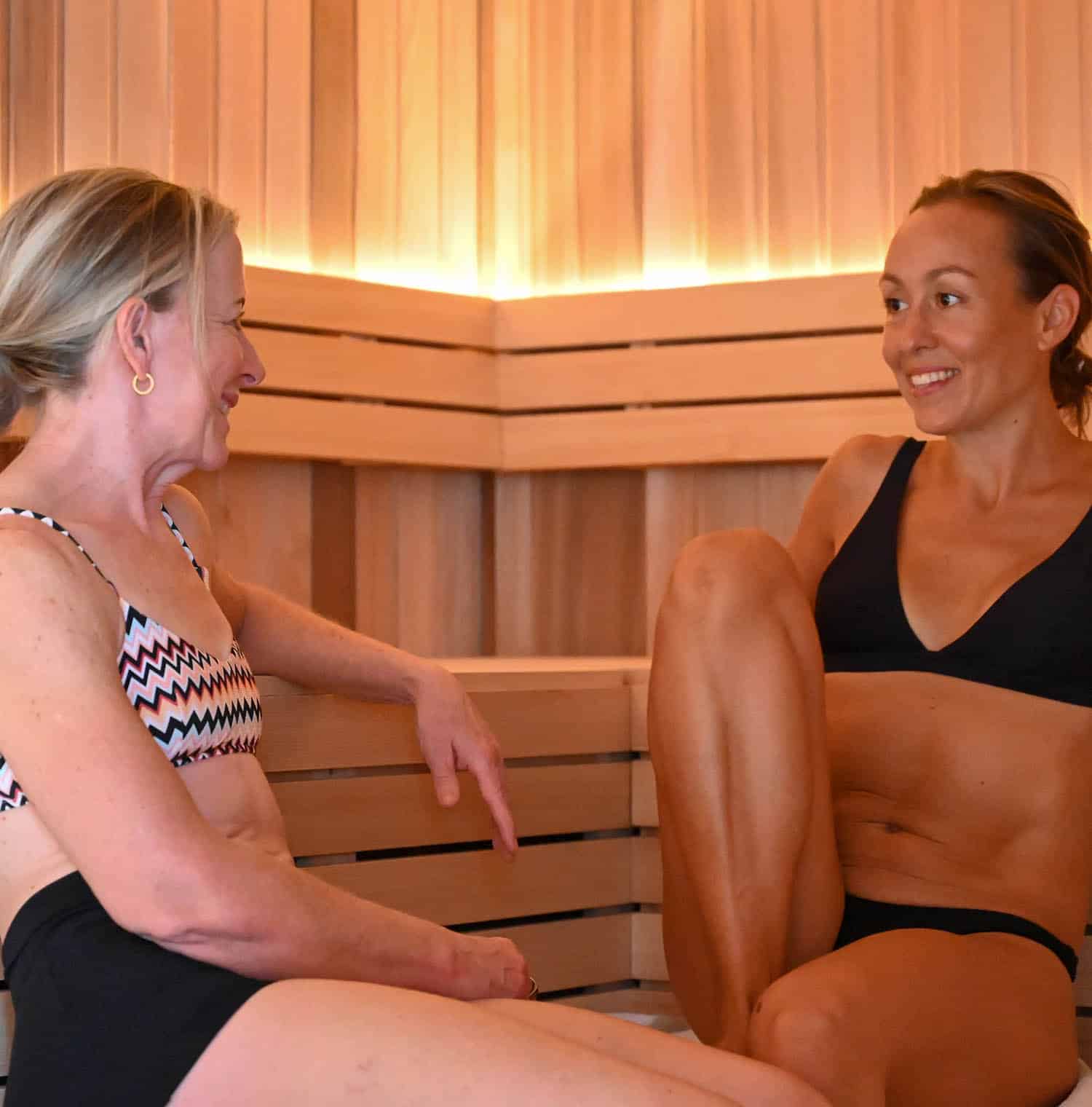
Saunas followed by cool showers represent a more moderate approach that many athletes find beneficial.
Nutrition and Sleep Optimisation
Before adding ice baths to your routine, ensure you’re maximising the fundamentals. Adequate protein intake, proper hydration, and quality sleep are far more important for strength training recovery than any cold therapy protocol.
These foundational elements should be your primary focus, with ice baths considered as a supplementary tool rather than a replacement for good basic habits.
Practical Implementation Guidelines
Water Temperature and Duration
For strength training athletes, water temperatures between 11-15°C for 10-15 minutes appear to provide benefits without excessive suppression of adaptation. Colder temperatures or longer durations might increase the risk of interfering with muscle building.
Start conservatively with shorter durations and warmer temperatures, gradually progressing as your tolerance improves.
Safety Considerations
Never use ice baths if you have cardiovascular conditions, circulation problems, or are pregnant without medical clearance. The shock of cold water can put significant stress on your heart and blood vessels.
Always have someone nearby when using ice baths, especially during your first few sessions. The cold shock response can be intense and potentially dangerous.
Equipment and Setup
You don’t need expensive equipment to try ice baths. A standard bathtub filled with cold water and ice can work effectively. Portable ice baths and inflatable tubs are becoming more accessible for home use.
Monitor water temperature with a reliable thermometer to ensure consistency and safety in your cold therapy sessions.
Vikasati Offers the Best Bathhouse Experience
At Vikasati, we’ve created a space where sauna and ice bath therapies come together in one powerful wellness experience. Whether you’re recovering after a workout, clearing your head, or simply giving yourself time to reset, our facilities are designed to make the process effortless, effective, and deeply restorative.
For just $49, enjoy 90 minutes of access to our premium bathhouse facilities including:
- Finnish Sauna – Traditional dry heat to relax muscles and improve circulation
- Ice Baths – Cold immersion at 5°C to support recovery and build resilience
- Infrared Sauna – Gentle penetrating heat designed to help with relaxation, stress relief, and recovery
- Magnesium Pools – Alternate between warm and cool pools to soothe the body and mind
Whether it’s your first visit or already part of your routine, our team is here to guide you through the experience and help you get the most from your recovery sessions.
Book your session today and discover why Vikasati is one of Brisbane, Toowoomba and the Gold Coast’s leading destinations for contrast therapy, sauna experiences, and holistic recovery.
Key Takeaways
- Ice baths can aid recovery but may interfere with muscle building if used immediately after strength training
- Wait at least 6 hours after lifting weights before using cold water immersion
- Use ice baths strategically during high-volume training or competition periods
- Focus on fundamental recovery methods like sleep and nutrition before adding cold therapy
- Monitor your individual response and adjust timing based on your training goals
- Consider alternative recovery methods during muscle-building phases