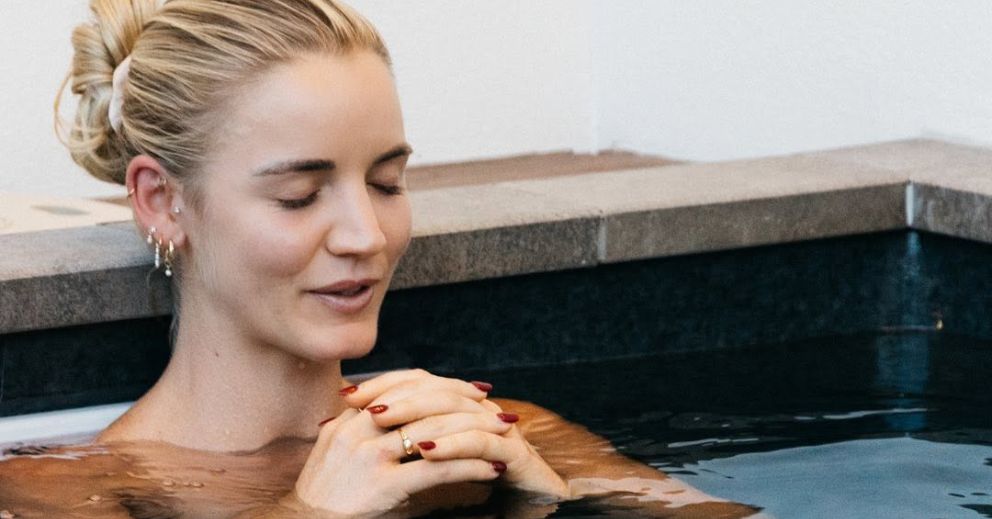
Here’s a simple way to think about ice baths and your cycle: instead of doing the same cold plunge every week regardless of how you feel, match your session to where you’re at in your cycle.
That means adjusting duration, water temperature tolerance, and timing based on which phase you’re in, rather than following a one-size-fits-all routine. Once you know what to look for, it takes the guesswork out of cold exposure.
TLDR: Cold exposure affects women differently depending on the phase of their menstrual cycle, largely due to shifting hormone levels. Ice baths are generally well tolerated during the follicular phase and ovulation, but many women find shorter, gentler sessions work better during the luteal phase and menstruation. Listening to your body and adjusting rather than pushing through is the key skill here.
Why the Menstrual Cycle Changes How Cold Exposure Feels
Your hormones don’t stay flat across the month. Oestrogen and progesterone rise and fall in a fairly predictable pattern, and both influence things like body temperature regulation, inflammation, and how your nervous system responds to stress.
Cold exposure is a stressor, a good one in the right dose, but a stressor nonetheless. So it makes sense that how your body handles an ice bath can shift depending on where you are in that hormonal cycle.
The Role of Body Temperature
Progesterone raises your baseline body temperature slightly, particularly in the luteal phase (the back half of your cycle, after ovulation). This is why some women feel warmer or more sensitive to cold during this window.
A cold plunge that felt easy during the follicular phase might feel more intense a couple of weeks later, purely because your internal thermostat has shifted.
Inflammation and Recovery Needs
Many women experience more inflammation, bloating, or muscle tension in the days leading up to their period. Cold water immersion is often used to manage inflammation, so timing an ice bath around this phase can genuinely support comfort.
That said, it’s about matching intensity to how your body feels, not forcing a longer or colder session because you think you “should” push through it.
Ice Baths Phase by Phase: What to Expect
Breaking the cycle into its four broad phases makes it easier to plan sessions that actually feel good, rather than guessing week to week.
Follicular Phase (Day 1 to Ovulation)
- Oestrogen is rising, energy levels tend to be higher
- Most women tolerate cold exposure well during this window
- Good time to build up plunge duration or try slightly colder temperatures
Ovulation
- Oestrogen peaks, often bringing a sense of strength and stability
- Many women report feeling their best physically around this time
- A solid window for a standard or slightly longer ice bath session
Luteal Phase (Post-Ovulation to Period)
- Progesterone rises, body temperature runs slightly higher
- PMS symptoms like bloating, fatigue, or mood changes may appear
- Shorter sessions or slightly warmer water can feel more comfortable
Menstruation
- Energy can dip, and cramping or lower back pain is common
- Some women find gentle cold exposure eases cramping, others prefer to skip it
- This is the phase where listening to your body matters most
How to Adjust Your Ice Bath Routine Across the Month
You don’t need a complicated spreadsheet to track this. A few practical adjustments go a long way toward making cold exposure work with your body instead of against it.
Shorten Sessions When Needed
If you normally do a three-minute plunge, there’s nothing wrong with dropping to ninety seconds during your luteal phase or period. Duration isn’t a badge of honour, it’s a tool you can adjust.
Ease the Water Temperature
Not every session needs to be as cold as possible. A slightly milder temperature during menstruation can still deliver benefits like reduced inflammation and improved circulation, without adding unnecessary stress to your system.
Pair It With Warm-Up Movement
Some women find that light stretching or a short warm walk before a plunge helps the body handle the cold more comfortably, especially during the days leading into a period.
Track How You Feel, Not Just the Calendar
Cycles vary from person to person and month to month. Use how you’re actually feeling on the day as your main guide, with the general cycle phase as a helpful backdrop rather than a strict rule.
When to Be More Cautious With Cold Exposure
Ice baths are generally safe for most healthy women, but there are situations worth flagging with a doctor before you start, or before you continue a regular practice.
- Very heavy or painful periods that leave you feeling faint or unwell
- Known cardiovascular conditions or blood pressure concerns
- Pregnancy or postpartum recovery, where guidance should come from your GP
- Raynaud’s syndrome or other circulation-related conditions
- Feeling unusually dizzy, breathless, or unwell during a session
If any of these apply to you, a quick chat with your GP or women’s health practitioner before jumping into cold water immersion is a sensible first step.
Experience Cold Therapy Your Way at Vikasati
Understanding how your cycle may affect your response to cold exposure can help you approach each ice bath session with greater awareness, without pushing through discomfort that doesn’t feel right. If you’re interested in building a cold plunge routine that works with your body throughout the month, Vikasati gives you the space and support to explore what feels best.
At Vikasati, sauna and ice bath therapies come together in one complete bathhouse experience. Whether you’re adjusting your routine around your cycle, recovering after exercise or taking time to reset, you can move between our facilities at your own pace.
For just $49, enjoy 90 minutes of bathhouse access at our Brisbane, Toowoomba and Gold Coast locations, including:
- Finnish sauna
- Ice baths set at 5°C
- Infrared sauna
- Warm and cool magnesium pools
Whether it’s your first cold plunge or part of your regular routine, our team is here to help you feel comfortable throughout your session. Book your Vikasati bathhouse experience today.
Key Takeaways
- Hormone shifts across the menstrual cycle change how cold exposure feels and how your body responds
- Follicular phase and ovulation are generally the easiest times for longer or colder ice bath sessions
- Luteal phase and menstruation often call for shorter sessions or milder water temperatures
- Cold exposure may help ease period-related inflammation and cramping for some women, though responses vary
- Tracking how you feel day to day is more useful than rigidly following a fixed cold plunge schedule
- Speak with a GP first if you have a heart condition, circulation issues, or very heavy periods
FAQ
Can cold plunges affect my cycle length or regularity?
There’s no strong evidence that occasional ice baths change cycle length for healthy women. Extreme or chronic physical stress can affect hormones, but a regular, well managed cold exposure routine is unlikely to disrupt your cycle on its own.
Is it safe to do an ice bath on the first day of my period?
For most women, yes, though many prefer a shorter or milder session on day one when cramping and fatigue tend to peak. If you feel unusually unwell, faint, or in significant pain, it’s fine to skip cold exposure and try again once symptoms ease.
Will an ice bath help with period cramps?
Some women find cold exposure eases cramping by reducing localised inflammation and calming the nervous system, though results vary from person to person. It’s worth trying a gentler, shorter session first to see how your body responds rather than assuming it will work the same way for everyone.
Should I change how often I do ice baths depending on the phase I’m in?
Frequency doesn’t need to change dramatically, but intensity often should. Many women keep a similar weekly routine year-round, simply dialling the duration or temperature down during the luteal phase or period.
Does birth control change how I should approach cold exposure?
Hormonal contraception can flatten some of the natural hormone fluctuations across the cycle, which may mean less noticeable variation in how cold exposure feels week to week. If you’re on birth control and cold plunges feel consistent for you throughout the month, there’s no need to force phase-based changes that don’t match your experience.