Cold plunges have exploded in popularity across Australia, but not everyone should jump straight in, and for some people, a plunge without medical clearance can be genuinely risky.
TLDR: Ice baths are safe for most healthy adults, but certain heart conditions, blood pressure issues, pregnancy, and some medications mean you need a doctor’s tick first. This checklist walks through the red flags to watch for, who should get clearance, and how to ease into cold exposure without putting your body under unnecessary stress.
Why Cold Water Immersion Isn’t Risk Free for Everyone
Dropping your body into cold water triggers what’s called a cold shock response. Your heart rate spikes, your breathing gets sharp and fast, and your blood vessels constrict rapidly to protect your core temperature.
For a healthy body, this is a manageable stress response, and it’s part of what makes ice baths appealing for recovery and mental resilience. For a body with an underlying heart or circulation issue, that same response can be a genuine problem.
What Actually Happens in the First 60 Seconds
- Rapid increase in heart rate and blood pressure
- Involuntary gasping reflex, which can cause water inhalation if you’re unprepared
- Blood vessels near the skin constrict, pushing blood toward vital organs
- Adrenaline surge, which can mask pain or discomfort signals
Why This Matters More for Some People Than Others
If your heart is already working harder than it should, whether from high blood pressure, arrhythmia, or a prior cardiac event, that sudden spike in demand can tip things into dangerous territory. This isn’t about scaring people off cold therapy. It’s about knowing whether your body can handle the initial shock safely.
Medical Red Flags You Shouldn’t Ignore
Some symptoms or conditions are clear signals to talk to a doctor before you even think about booking a plunge session. If any of these apply to you, clearance isn’t optional, it’s essential.
Heart and Circulation Warning Signs
- Diagnosed heart disease, arrhythmia, or a history of heart attack
- Uncontrolled high or low blood pressure
- Raynaud’s phenomenon or other circulation disorders
- Unexplained chest pain, dizziness, or shortness of breath during exercise
Other Conditions Worth Flagging to Your GP
- Epilepsy or a history of seizures
- Uncontrolled asthma, given the gasping reflex on entry
- Diabetes with poor circulation or nerve damage in the feet
- Open wounds, skin infections, or recent surgery
None of these automatically rule you out forever. Often it just means starting slower, under supervision, or with a modified approach like cooler showers before working toward full immersion.
Who Should Get Medical Clearance Before an Ice Bath
Clearance sounds formal, but it’s really just a conversation with your GP or cardiologist to confirm your body can handle the stress of rapid cold exposure. It’s a quick step that removes a lot of guesswork.
People Who Should Always Check First
- Anyone over 60 trying cold immersion for the first time
- Pregnant women, due to changes in blood pressure and circulation
- People on blood pressure or heart medication
- Anyone with a pacemaker or implanted cardiac device
People Who Can Usually Ease In Without a GP Visit
- Generally healthy adults with no cardiovascular history
- People already active in cold showers or open water swimming
- Those without symptoms of dizziness, fainting, or chest tightness during exertion
If you’re unsure which group you fall into, that uncertainty is itself a reason to ask a health professional rather than guess.
Building an Ice Bath Safety Checklist for Your Own Sessions
Once you’ve got clearance, or you know you’re low risk, safety still matters every single session. Cold exposure is meant to be a controlled stress, not a test of willpower.
Before You Get In
- Never plunge alone, especially in the first few weeks
- Check water temperature rather than guessing
- Avoid alcohol beforehand, as it affects temperature regulation
- Skip it if you’re feeling unwell, dehydrated, or unusually fatigued
During and After the Plunge
- Focus on slow, controlled breathing rather than fighting the gasp reflex
- Start with shorter times (30 to 90 seconds) and build up gradually
- Get out immediately if you feel numbness, confusion, or chest discomfort
- Warm up gradually afterward rather than jumping into a hot shower straight away
A supervised setting, like a recovery studio with trained staff on hand, takes a lot of this guesswork off your plate compared to doing it solo at home.
Signs You Should Stop Mid Session
Cold exposure should feel challenging, not alarming. Knowing the difference is what keeps a plunge safe.
Stop and Get Out If You Notice
- Chest pain, tightness, or a racing heartbeat that doesn’t settle
- Numbness spreading beyond your hands and feet
- Confusion, slurred speech, or difficulty concentrating
- Uncontrollable shivering that doesn’t ease once you’re out
These aren’t signs to push through. Cold therapy works with your body’s stress response, not against it, and forcing a session past these signals defeats the purpose entirely.
Try Cold Therapy at Vikasati
If you’re considering cold plunge therapy and have any health concerns, speaking with your GP is the best place to start. Once you have clearance, Vikasati offers a supportive, supervised setting where you can ease into ice baths at your own pace and feel more confident from your first session.
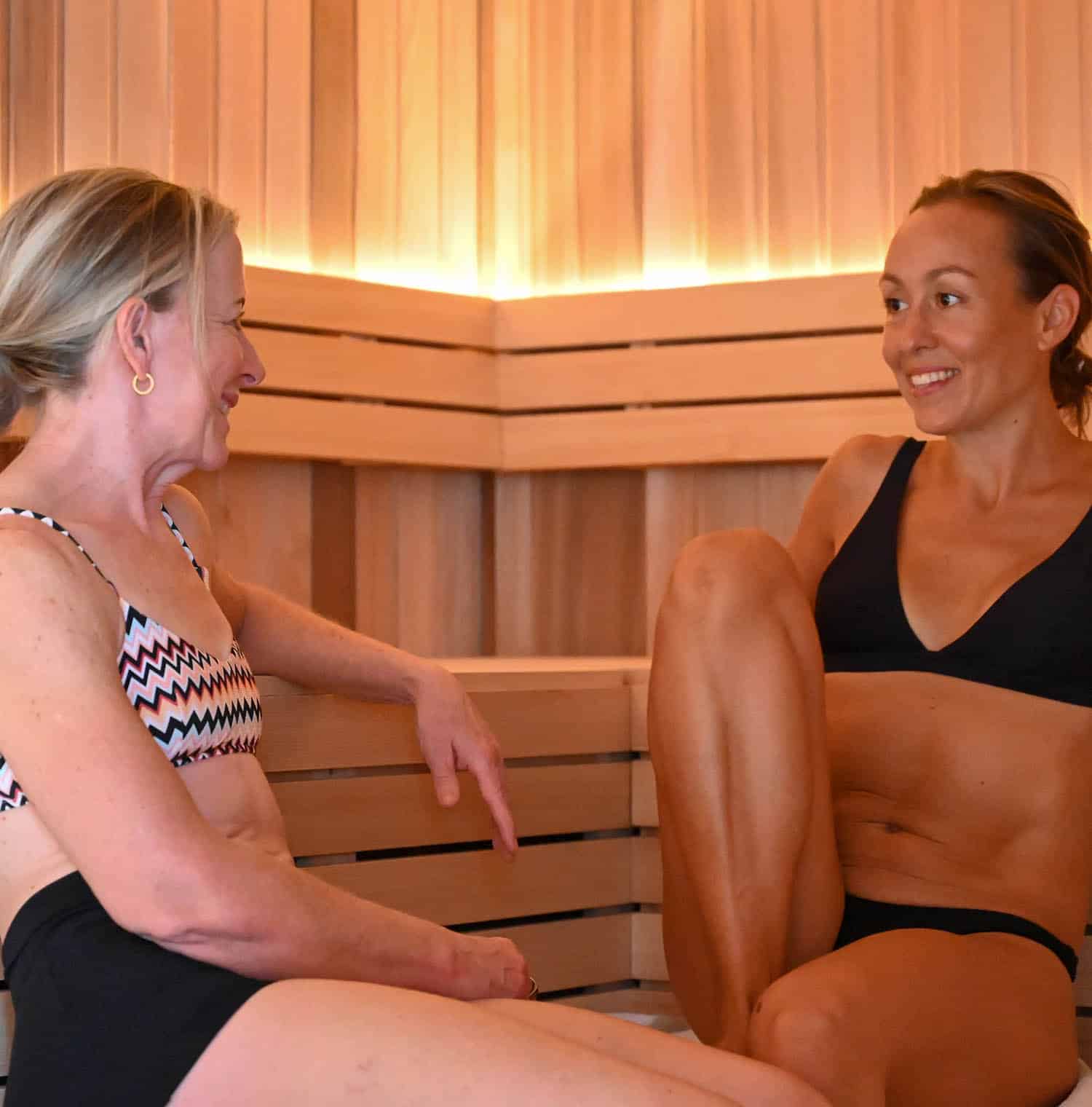
Experience the benefits of hot and cold therapy in one premium bathhouse setting. For $49, enjoy 90 minutes of access to our facilities in Brisbane, Toowoomba and the Gold Coast, including:
- Finnish sauna
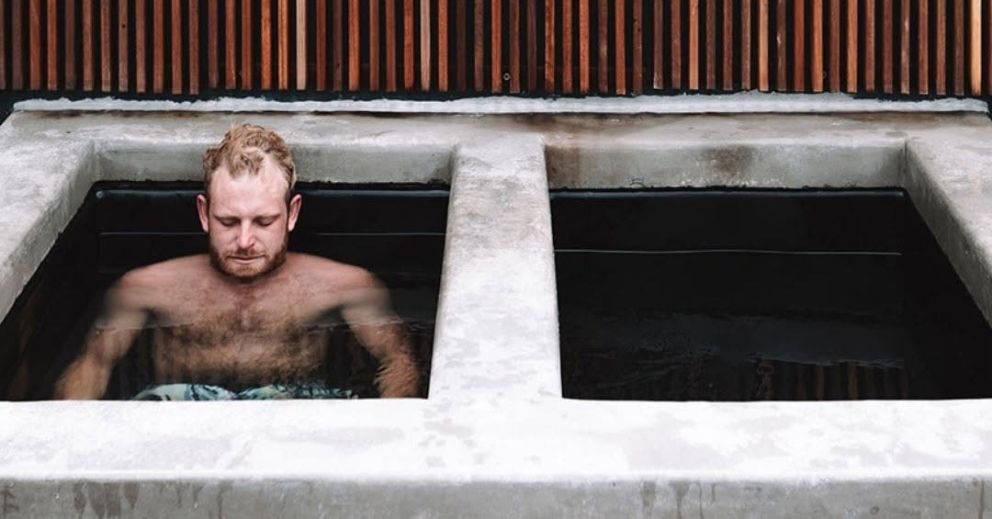
- Ice baths set at 5°C
- Infrared sauna
- Warm and cool magnesium pools
Whether it’s your first cold plunge or part of your regular wellness routine, our team is here to guide you through the experience. Book your session today and discover a more supported way to get started with cold therapy.
Key Takeaways
- Ice baths are generally safe for healthy adults but carry real risks for people with heart, blood pressure, or circulation conditions
- Get medical clearance if you’re over 60, pregnant, on heart or blood pressure medication, or have a cardiac history
- The first minute of cold immersion causes the biggest spike in heart rate and blood pressure, so easing in matters
- Never plunge alone, and always know the warning signs that mean it’s time to get out
- Supervised sessions reduce risk significantly compared to unsupervised home setups
FAQ
How cold does the water need to be for it to count as an ice bath?
Most cold immersion therapy sits between 10 and 15 degrees Celsius, though some people go colder once they’re experienced. You don’t need it to be freezing for it to trigger the physiological benefits people are after.
Can I do an ice bath if I have a cold or I’m feeling run down?
It’s best to skip it. Your body is already working to fight off illness, and adding the stress of cold shock on top of that can slow recovery rather than help it.
How soon after exercise should I get in an ice bath?
Many people plunge within 10 to 20 minutes of finishing a workout, once heart rate has started to settle. Jumping in immediately while still breathless adds unnecessary strain on top of an already elevated heart rate.
Will an ice bath interfere with medication I’m taking?
Some medications, particularly for blood pressure or heart rhythm, can change how your body responds to cold shock. This is exactly the kind of detail worth raising with your doctor before you start.
What should I do if I feel dizzy after getting out?
Sit down, warm up gradually with a blanket or dry clothing rather than a hot shower straight away, and let your heart rate settle. If dizziness persists or you feel faint, seek medical attention rather than waiting it out.