You’ve had one of those weeks. Training’s been heavier than usual, your shoulders feel like they belong to someone else, and you’ve finally carved out an hour to recover properly. You walk in, look at the options on the board, ice bath, sauna, magnesium pool, and freeze (pun intended). Which one actually suits how you’re feeling right now?
This happens more often than you’d think. Most people default to whatever they tried last time, or whatever their mate recommended, without really thinking about what their body needs on that particular day. The truth is each of these sessions does something different, and choosing well makes a real difference to how you feel afterwards.
TLDR: Ice baths are best for reducing inflammation and calming an overworked nervous system after intense physical effort. Saunas suit muscle relaxation, stress relief and general wellbeing. Magnesium pools sit somewhere in between, offering gentle recovery, better sleep support and relief for aches without the shock of cold or the intensity of heat.
Working Out What Your Body Actually Needs Today
Before picking a session, it helps to check in with how you’re feeling rather than what you feel like you “should” do. Recovery isn’t one-size-fits-all, and the right choice today might be the wrong one tomorrow.
Signs You’re Leaning Towards Inflammation and Swelling
- Muscles feel puffy, tight or visibly swollen
- You’ve just finished intense training, a race or heavy lifting
- Joints feel achy rather than just tired
- You want a quick reset rather than a long wind-down
Signs You Need Calm More Than Cold
- You’re mentally wired even though your body is exhausted
- Sleep has been patchy or shallow lately
- You’re carrying tension in your neck, shoulders or jaw
- You’d rather ease into recovery than shock your system
Ice Bath: When Cold Exposure Makes Sense
Ice baths work by rapidly cooling the body, which narrows blood vessels and helps reduce inflammation and swelling. They’re particularly useful after high-intensity sessions where your muscles have taken a real hit.
Best Suited For
- Post-event recovery after competitions or races
- Heavy strength training or high-impact sport
- Reducing next-day soreness and stiffness
- People chasing a mental resilience challenge alongside physical recovery
What to Keep in Mind
Cold exposure isn’t for everyone, and it’s not always the right call if you’re already feeling depleted or unwell. It’s also a short, sharp session rather than something you linger in. If you’re new to cold therapy, starting with shorter durations and building up gradually tends to work better than diving in at the deep end, literally.
Sauna: When Heat and Stillness Are What You Need
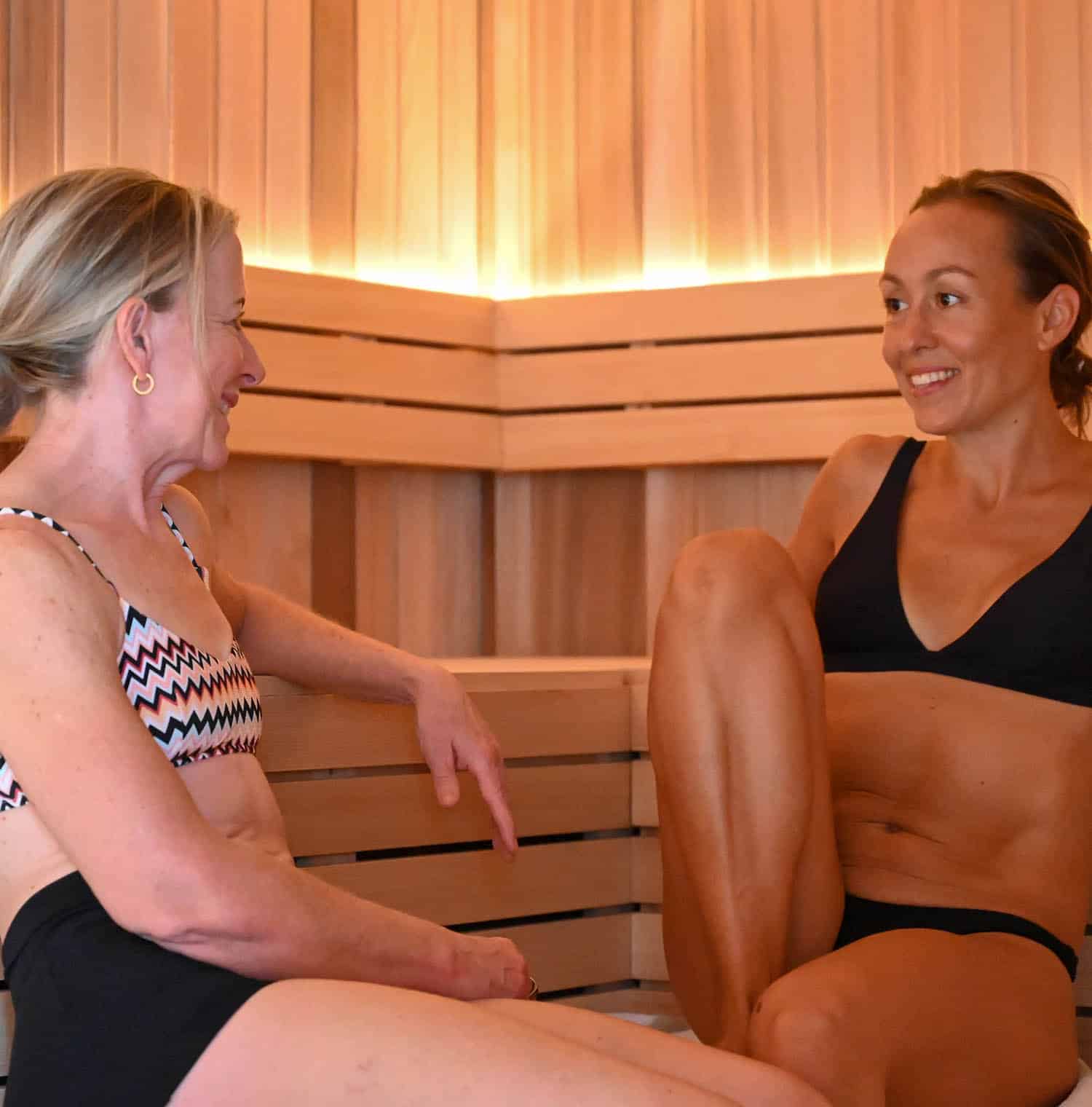
Saunas work in the opposite direction to ice baths. Instead of cooling the body down, the heat encourages blood flow, loosens tight muscles and gives your nervous system a chance to properly downshift.
Best Suited For
- General muscle tension and tightness rather than acute inflammation
- Stress relief after a mentally demanding week
- Unwinding before bed to support better sleep
- People who prefer a slower, more meditative recovery experience
Things Worth Knowing
A sauna session is more about relaxation than shock recovery, so it’s not the best choice straight after an injury-prone or high-impact session where swelling is the main concern. It pairs well with hydration before and after, given how much you’ll sweat. Most people find sessions of fifteen to twenty minutes plenty, especially when starting out.
Magnesium Pool: The Middle Ground Option
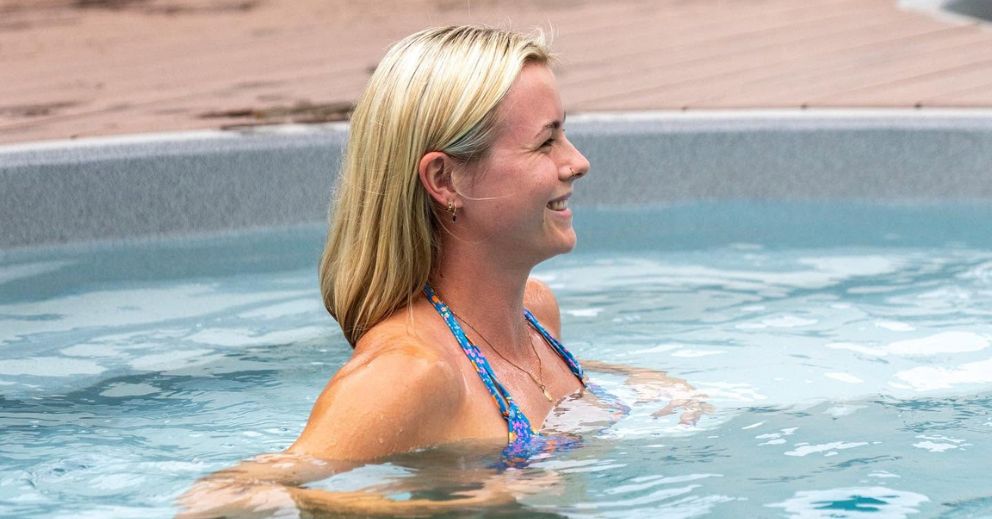
If ice baths feel too intense and saunas feel too passive, a magnesium pool often sits in the sweet spot. The magnesium-infused water supports muscle relaxation and nervous system calm without the extremes of hot or cold.
Best Suited For
- General aches and tension that aren’t linked to a specific injury
- Supporting better sleep quality
- People who find ice baths uncomfortable or sauna heat overwhelming
- A gentler, low-pressure way to build a regular recovery habit
How It Feels Different
Floating or gently moving through a magnesium pool tends to feel more restorative than restrictive. There’s no countdown clock pressure like an ice bath, and no building heat like a sauna. It’s a good option when you want recovery without the intensity, particularly on lighter training days or during a busy stretch when your body just needs a break.
Combining Sessions Instead of Choosing Just One
You don’t always have to choose a single option. Many people combine therapies based on what their body needs that week, such as unwinding in the sauna before a short cold plunge or soaking in a magnesium pool on rest days between harder training sessions.
If you’re unsure where to start, our team can help you choose a session or combination that suits how you’re feeling and training. Recovery doesn’t need to feel complicated. It can simply be about choosing what feels right for your body that day.
Vikasati brings sauna, cold immersion and magnesium pools together in one complete bathhouse experience. For just $49, you can enjoy 90 minutes of access at our Brisbane, Toowoomba and Gold Coast locations, including:
- Finnish sauna: Traditional dry heat to help you relax and unwind
- Ice baths: Cold immersion at 5°C
- Infrared sauna: Gentle, soothing heat
- Magnesium pools: Warm and cool pools to soothe the body and mind
Move between the facilities at your own pace and create a session that suits your body that day. Book your Vikasati bathhouse experience today.
Key Takeaways
- Ice baths suit acute inflammation, swelling and post-intense-training recovery
- Saunas suit muscle tension, stress relief and pre-sleep wind-down
- Magnesium pools offer a gentler middle ground for general aches and relaxation
- Your choice should follow how your body feels that day, not habit or routine
- Combining sessions across the week often works better than sticking to one
FAQ
Can I do an ice bath and sauna on the same day?
Yes, many people alternate between the two in the same session, often called contrast therapy. It’s generally best to finish on cold rather than heat if your goal is reducing inflammation, though some prefer finishing warm for relaxation before bed.
How often should I be doing recovery sessions each week?
This depends on your training load and goals, but two to three sessions a week is a common starting point for most active people. Those training daily or recovering from a specific event might benefit from more frequent sessions during that period.
Is a magnesium pool safe if I have sensitive skin?
Magnesium pools are generally gentle on skin, but if you have a known sensitivity or skin condition, it’s worth checking with your GP first. It’s always sensible to ease in and see how your skin responds during your first session.
What should I eat or drink before a session?
Staying well hydrated matters for all three options, particularly before a sauna given how much you’ll sweat. A light meal beforehand is usually better than going in on an empty stomach or straight after a heavy meal.
Will one session type give better results than combining them long term?
Not necessarily, results tend to come from consistency and matching the session to what your body needs that week. Some people get great results sticking to one option, while others prefer rotating based on training intensity and stress levels.