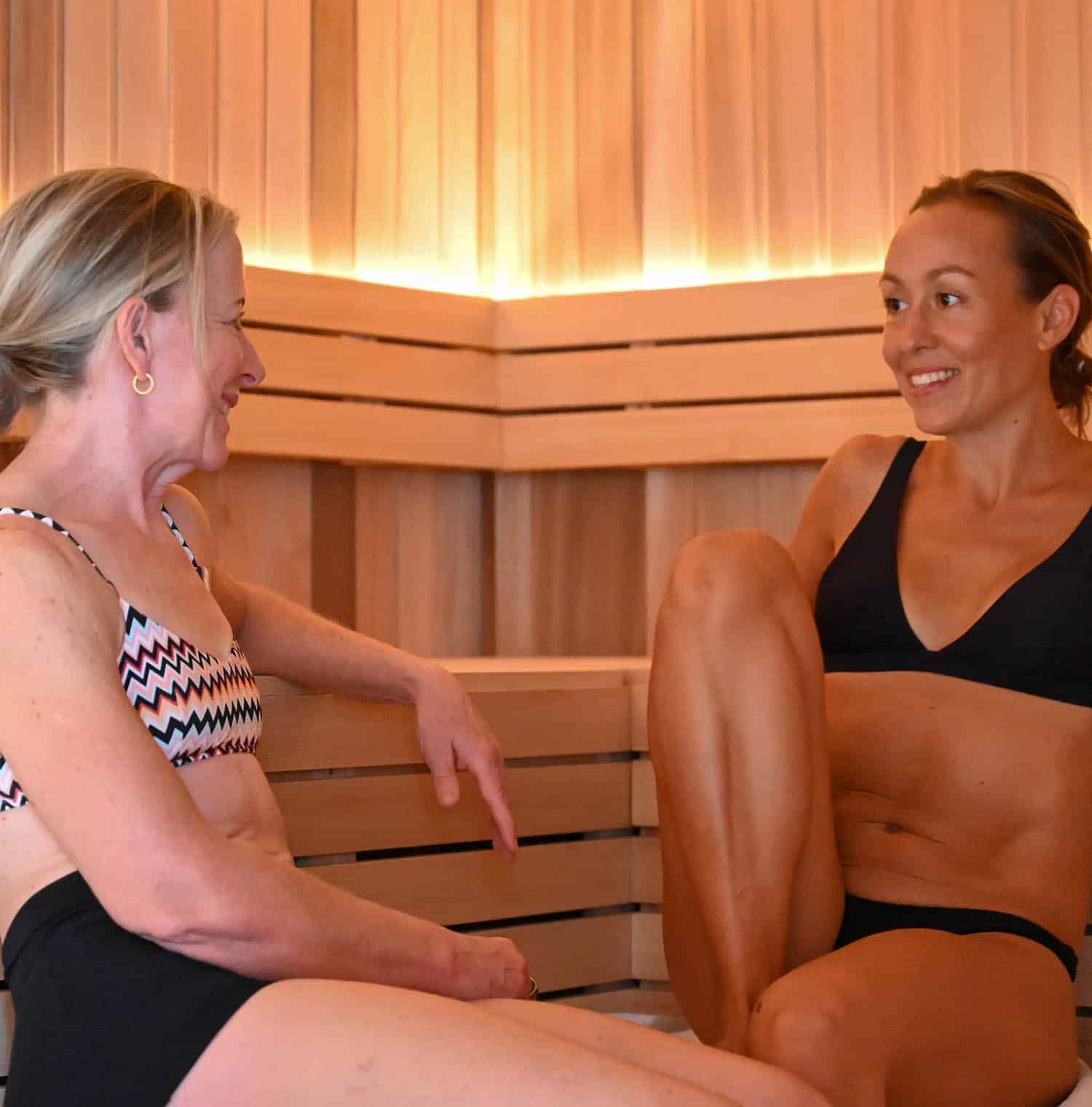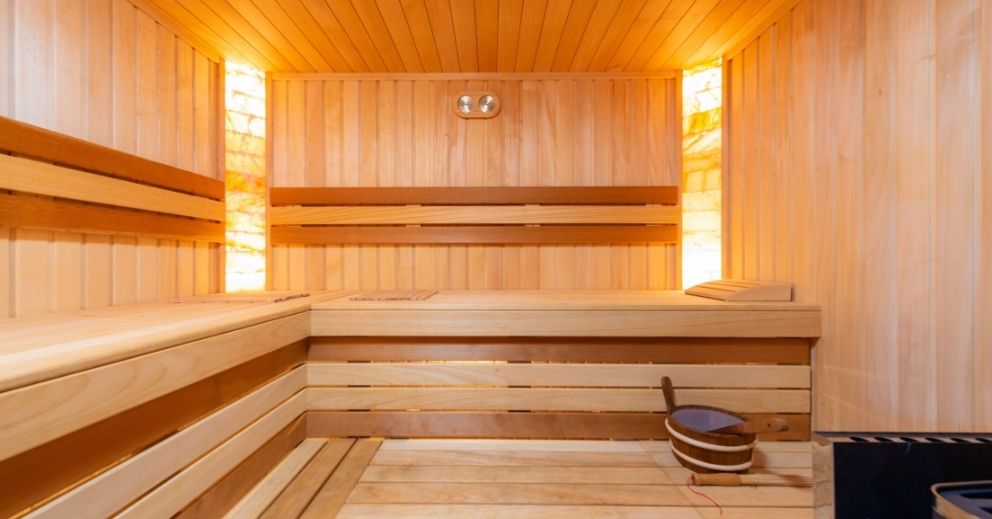
Here’s a simple way to think about it: pick a time, pick a duration, and stick to both for two weeks before you judge whether it’s working. That’s really the whole method behind using an infrared sauna to improve your sleep.
The hard part isn’t the sauna session itself, it’s building the routine around it so your body learns what’s coming next.
TLDR: Using an infrared sauna in the evening can support better sleep by helping your body cool down afterwards, which mimics the natural temperature drop that triggers drowsiness. The key is timing it right, usually one to two hours before bed, and pairing it with consistent wind-down habits. This article walks through how to build that routine step by step.
Why Infrared Heat Session Timing Matters For Sleep
Your body temperature naturally dips in the evening as part of the process that signals it’s time to sleep. An infrared sauna session raises your core temperature first, and it’s the drop afterwards that does the heavy lifting for sleep readiness.
Get the timing wrong and you can work against yourself. Sit in the heat too close to bedtime and you might still feel warm and alert when you want to be winding down.
The Post-Sauna Cool Down Window
Most people find the sweet spot sits somewhere between 60 and 120 minutes before they actually go to bed. This gives your body enough time to come back down from the heat.
- Allows core temperature to drop naturally before sleep
- Gives you time to shower and settle without rushing
- Reduces the chance of feeling overheated in bed
Session Length And Heat Intensity
You don’t need a long session to get the relaxation benefit. Fifteen to thirty minutes at a moderate temperature is usually enough to trigger that warm, loose feeling in your muscles without overdoing it.
Pushing for a longer or hotter session right before bed can actually leave you feeling wired rather than relaxed. It’s a bit like exercising too close to bedtime, the stimulation outlasts the intention.
Building A Step By Step Evening Routine
A routine only works if it’s repeatable on a weeknight, not just on a lazy Sunday. Here’s a straightforward sequence that fits around most people’s evenings.
- Finish dinner at least two hours before your sauna session so digestion isn’t competing with heat exposure.
- Spend 15 to 30 minutes in the infrared sauna, keeping the temperature moderate rather than maximum.
- Cool down with a lukewarm shower rather than a cold one, which helps ease the transition.
- Dim the lights and switch off screens for the next 30 to 60 minutes.
- Do something low-key, reading, stretching, or just sitting quietly, while your body finishes cooling.
- Head to bed once you notice that natural drowsy feeling starting to set in.
It won’t feel automatic the first few nights. Stick with the same order for a week or two and your body starts to recognise the pattern.
What To Avoid In The Routine
- Checking your phone straight after the sauna, which undoes the calm you just built
- Drinking caffeine or alcohol in the hour before your session
- Going straight from the heat into a cold shower if you’re sensitive to temperature swings
- Skipping hydration, since sweating in the sauna does draw fluid out of you
Common Sleep Hygiene Mistakes People Make With Sauna Use
Even with good intentions, a few habits can quietly undercut the benefit of adding infrared sauna sessions to your evening. Most of these come down to timing or inconsistency rather than the sauna itself.
Using It Too Late Or Too Erratically
A sauna session at 11pm, right before you jump into bed, doesn’t give your body the cooling window it needs. Irregular timing, say, using it most nights but skipping randomly, also makes it harder for your body to build a reliable association between the session and sleep.
Ignoring The Rest Of Your Sleep Environment
A great wind-down routine can only do so much if your bedroom itself works against you. Bright lights, a warm room, or scrolling on your phone in bed will undercut the relaxation you built during your sauna session.
- Keep the bedroom cool, ideally a few degrees below daytime comfort
- Block out light with curtains or an eye mask if needed
- Keep screens out of the bedroom, or at least switched off an hour before sleep
Who Tends To Benefit Most From This Routine
Not everyone needs the same approach, but certain groups report noticing the difference more clearly. People with physically demanding jobs, those managing stress-related sleep trouble, and shift workers trying to reset their body clock often find the heat-then-cool pattern particularly useful.
Shift Workers And Irregular Schedules
If your sleep window shifts around, a consistent pre-sleep ritual matters even more. The sauna session becomes a signal to your body that “this is the start of winding down,” regardless of whether that’s at 9pm or 9am after a night shift.
People With High Stress Or Racing Thoughts At Night
The physical relaxation from heat exposure can help quiet a busy mind, especially when it’s paired with a calm, low-stimulation period afterwards. It’s not a replacement for addressing the root cause of stress, but it can take the edge off at bedtime.
Wind Down and Relax with an Evening Bathhouse Session at Vikasati
If you’re looking for a relaxing way to end your day and prepare for a better night’s sleep, an evening bathhouse session at Vikasati could be a great addition to your routine.
Infrared saunas use gentle, radiant heat to help ease muscle tension and promote relaxation. Taking time to cool down afterwards may also support your body’s natural preparation for sleep, although research into the direct effects of infrared sauna sessions on sleep quality is still developing.
For just $49, enjoy 90 minutes of access to our premium bathhouse facilities in Brisbane, Toowoomba and the Gold Coast, including:
- Infrared Sauna – Gentle, penetrating heat to ease muscle tension, encourage relaxation and help you unwind before bed.
- Finnish Sauna – Traditional dry heat to relax tired muscles and promote circulation.
- Ice Baths (5°C) – Cold immersion to support post-exercise muscle recovery and help ease soreness.
- Magnesium Pools – Warm and cool pools to soothe the body and enjoy a calming end to your day.
Whether you’re looking to release tension after a busy day, establish a relaxing evening routine or simply enjoy some quiet time, Vikasati offers a welcoming space to slow down and recharge.
Ready to unwind? Book your 90-minute Vikasati bathhouse session today and make relaxation part of your evening routine.
Key Takeaways
- Time your sauna session 60 to 120 minutes before bed to let your body cool naturally
- Keep sessions to 15 to 30 minutes at a moderate temperature rather than going longer or hotter
- Build a repeatable sequence, sauna, cool shower, low stimulation, bed, and stick to it most nights
- Avoid screens, caffeine, and late sessions that interfere with the wind-down window
- Pair the sauna routine with good basics like a cool, dark bedroom for the best results
- Give any new routine at least two weeks before deciding whether it’s working for you
FAQ
How long does it take before I notice a change in my sleep?
Most people need at least a week or two of consistent use before they can tell whether it’s genuinely helping, rather than a one-off good night’s sleep. Sleep patterns respond better to routine than to single sessions.
Can I use an infrared sauna every single night?
Many people do use it nightly as part of their routine, though it’s worth listening to how your body responds, particularly around hydration and recovery. If you’re new to sauna use, starting three to four nights a week is a reasonable way to gauge your tolerance.
Is it better to sauna in the morning or evening for sleep benefits?
Evening sessions, timed an hour or two before bed, are generally more useful for sleep specifically, since they work with your body’s natural cooling process. Morning sessions have their own benefits, like alertness and circulation, but they won’t have the same effect on that night’s sleep.
What should I do if I feel too hot to sleep after a session?
Try extending the gap between your sauna session and bedtime, or lower the sauna temperature slightly next time. A lukewarm shower rather than a very cold one can also help your body transition more smoothly.
Does this routine work for people who already struggle with insomnia?
It can be a helpful addition for some people, but it’s not a standalone fix for chronic insomnia, which often has multiple contributing factors. If sleep trouble is persistent or severe, it’s worth discussing with a healthcare professional alongside any routine changes.