You’ve probably seen athletes climbing into tubs of ice on social media and they want to know if there’s substance behind it, or if it’s just cold water and good marketing.
The honest answer is a bit of both, and it depends heavily on what you mean by “inflammation” in the first place. That word gets used loosely online, but in a lab it means something quite specific and measurable.
TLDR: Cold water immersion does change measurable markers in the body, including blood flow, swelling, and some inflammatory markers in the short term. But “reducing inflammation” after a workout is different from treating chronic inflammatory conditions, and the science is more nuanced than most headlines suggest.
What People Actually Mean When They Say “Inflammation”
When someone says an ice bath helps with inflammation, they’re usually talking about one of two very different things. Sorting these out makes the rest of the science much easier to understand.
Acute Inflammation After Exercise
This is the swelling, soreness, and stiffness you feel a day or two after a hard session at the gym or a long run. It’s a normal, short-term response as your body repairs muscle tissue.
This is the type of inflammation most ice bath research actually studies, and it’s where cold water immersion has the clearest, most consistent evidence behind it.
Chronic, Low-Grade Inflammation
This is the ongoing, background inflammation linked to things like poor sleep, stress, excess body fat, or conditions such as arthritis. It’s measured differently, usually through blood markers like C-reactive protein (CRP) over weeks or months, not minutes after a plunge.
The evidence for ice baths meaningfully changing this type of inflammation long-term is far thinner, and researchers are still working out how much cold exposure genuinely contributes versus other lifestyle factors.
What Science Actually Measures When You Get Into Cold Water
Researchers don’t just ask people if they “feel less inflamed.” They track specific, measurable changes in the body before and after cold exposure.
Blood Flow and Vasoconstriction
Cold water causes blood vessels near the skin to narrow, a process called vasoconstriction. This is one of the fastest and most reliably measured effects, and it’s part of why swelling can reduce in the hours after a session.
Inflammatory Markers in Blood Tests
Some studies track markers like interleukin-6 and CRP before and after cold water immersion. Results are mixed, some studies show a short-term dip, others show little change, and the effect size tends to be small compared to factors like sleep and diet.
Perceived Soreness Versus Measured Tissue Damage
There’s a well-documented gap between how sore someone feels and what’s actually happening in the muscle tissue. Ice baths are consistently good at reducing the feeling of soreness, but the evidence that they speed up actual tissue repair is weaker.
Where Ice Baths Genuinely Help, Based On the Evidence
It’s not all hype. There are specific, well-supported benefits worth knowing about.
- Reduced perceived muscle soreness in the 24 to 72 hours after intense exercise
- Short-term reduction in localised swelling around joints and muscles
- Improved recovery between back-to-back training sessions, such as tournaments
- A noticeable mental reset and reduction in perceived fatigue
- Possible modest effects on sleep onset when used earlier in the evening, not right before bed
These are genuinely useful outcomes for someone training regularly or recovering from a demanding physical event. They’re just not the same as “curing inflammation” in a broad, chronic sense.
Where the Evidence Is Weaker Than People Assume
This is the part that tends to get left out of social media posts, but it matters if you’re deciding whether cold immersion is worth your time.
Muscle Growth and Adaptation
Some research suggests regular ice baths immediately after strength training may actually blunt some of the muscle-building adaptations you’re working for. If your main goal is building strength or muscle, cold immersion straight after lifting might not be the best timing.
Chronic Inflammatory Conditions
For conditions like rheumatoid arthritis or ongoing low-grade inflammation linked to lifestyle factors, there isn’t strong evidence that cold water immersion alone meaningfully changes the underlying condition. It may still help with symptom management and comfort, which is a reasonable goal on its own.
Duration and Temperature Variability
Studies use wildly different protocols, some use 10 degrees for 10 minutes, others use 15 degrees for 5 minutes. This makes it hard to say definitively “this exact temperature and time produces this exact result,” which is why you’ll see conflicting headlines.
How People Typically Use Cold Immersion for Recovery
If you’re considering trying it, it helps to know how it’s generally approached rather than guessing.
- Sessions are usually kept short, often somewhere between 2 and 10 minutes
- Water temperature is typically between 10 and 15 degrees Celsius
- It’s commonly used after intense training days rather than every single session
- Many people pair it with other recovery tools like sauna sessions or mobility work
- Hydration and how you feel on the day both affect tolerance
Vikasati offers guided cold water immersion as part of a broader recovery approach, so people aren’t just guessing at timing or temperature on their own. Having support around the process makes it easier to use cold exposure sensibly rather than following a trend blindly.
Experience Cold Immersion at Vikasati
If you’re curious about how cold water immersion can help with inflammation and muscle recovery, Vikasati offers a guided way to experience its benefits.
Our premium bathhouse facilities bring together cold and heat therapies to support post-workout recovery, ease muscle soreness and help you feel refreshed.
For just $49, enjoy 90 minutes of access to our bathhouse facilities in Brisbane, Toowoomba and the Gold Coast, including:
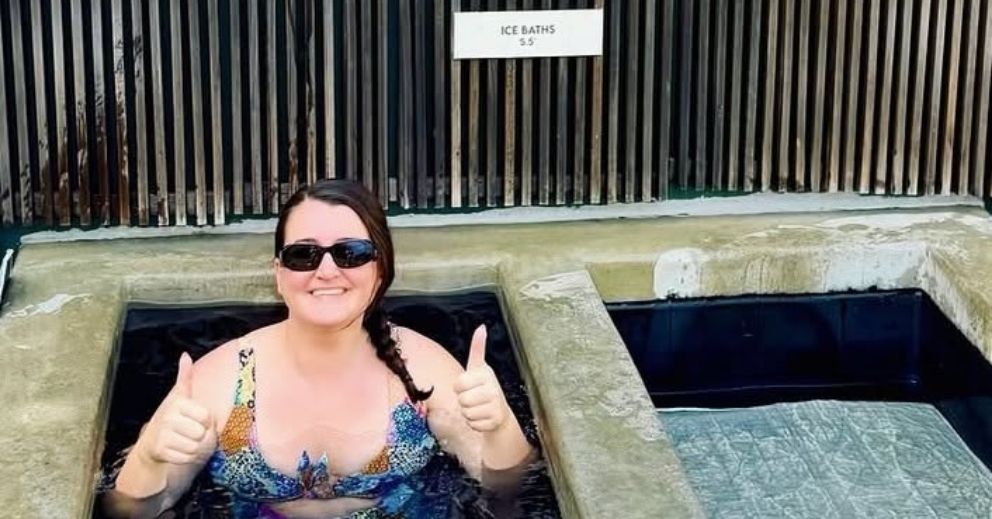
- Ice Baths (5°C) – Cold immersion to help reduce post-exercise muscle soreness and support recovery.
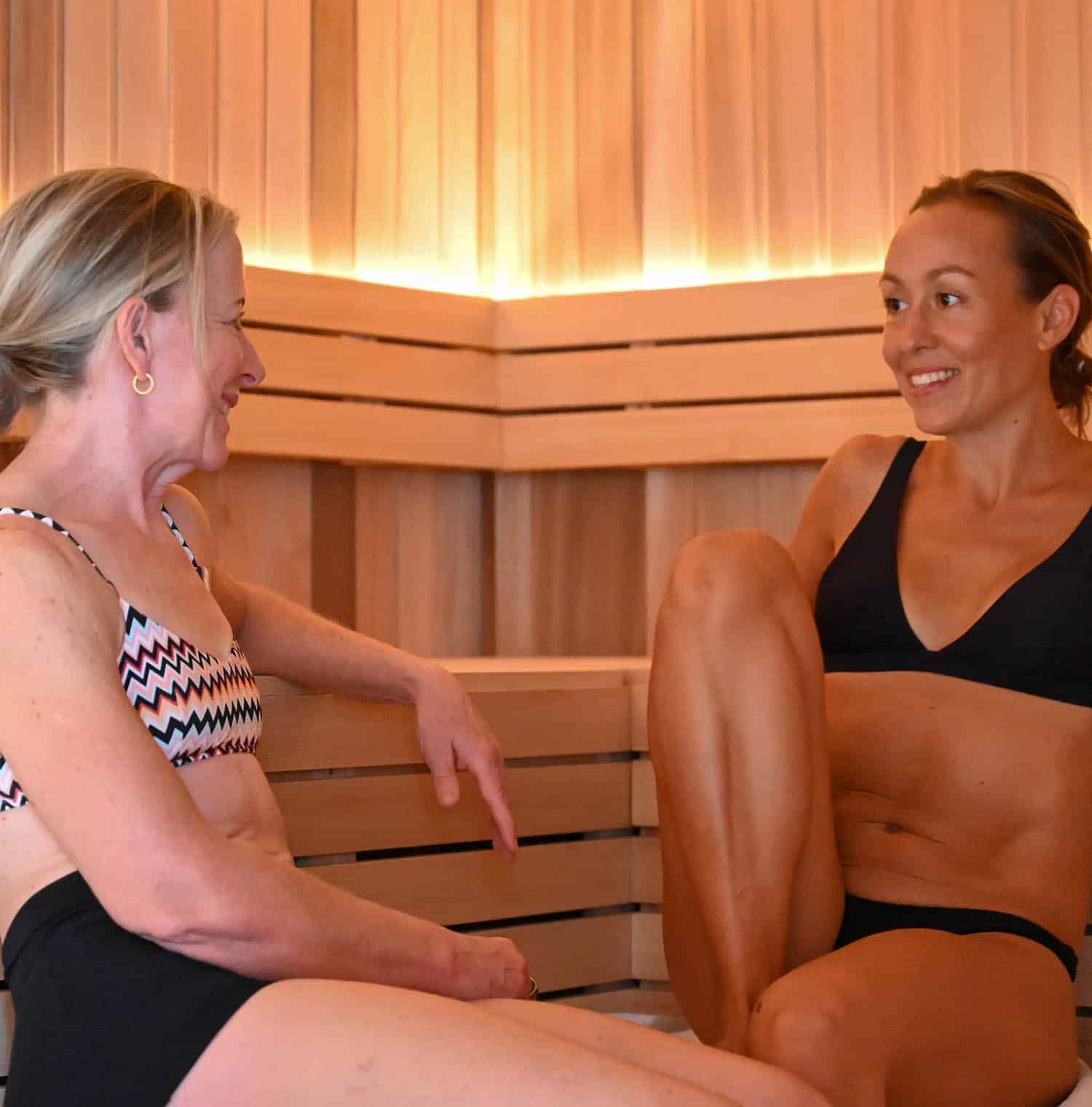
- Finnish Sauna – Traditional dry heat to relax muscles and promote circulation.
- Infrared Sauna – Gentle heat to encourage relaxation and ease muscle tension.
- Magnesium Pools – Warm and cool pools to help soothe tired muscles.
Whether you’re trying cold immersion for the first time or making it part of your regular recovery routine, our team is here to guide you.
Book your Vikasati bathhouse session today and discover how cold immersion can fit into your recovery routine.
Key Takeaways
- Ice baths most reliably reduce the feeling of soreness and short-term swelling after exercise
- Evidence for ice baths treating chronic, low-grade inflammation long-term is much weaker
- Cold immersion straight after strength training may reduce some muscle-building adaptations
- Research protocols vary a lot in temperature and duration, which is why headlines often contradict each other
- Guided, structured use tends to produce more consistent results than random, unsupervised attempts
FAQ
Is an ice bath right for someone who isn’t an athlete?
You don’t need to be training at a high level to use cold water immersion. Plenty of people use it simply for stress relief, mental clarity, or general recovery from everyday physical activity.
It’s worth starting gradually and checking with a doctor first if you have any heart conditions or circulation issues.
How soon after exercise should cold immersion happen to be useful?
Most of the research supporting reduced soreness uses cold immersion within an hour or two after training. Waiting much longer than that tends to reduce whatever benefit there is.
Are there risks to doing ice baths too often?
Frequent use, especially right after strength sessions, may interfere with some of the adaptations you’re trying to build from training. There’s also a risk of cold shock response in people unfamiliar with cold exposure, which is why supervised sessions are safer when you’re starting out.
How is cold water immersion different from a cold shower?
A cold shower generally doesn’t reach the same consistent temperature or full-body immersion that a controlled ice bath does, so the measurable physiological response tends to be smaller. An ice bath allows for more precise control over temperature and duration, which is partly why it’s used in research settings.
What should someone expect to feel during their first session?
The first 30 to 60 seconds are usually the hardest, involving a sharp cold shock and an urge to breathe quickly. Most people find it becomes more manageable once they settle into slow, controlled breathing.